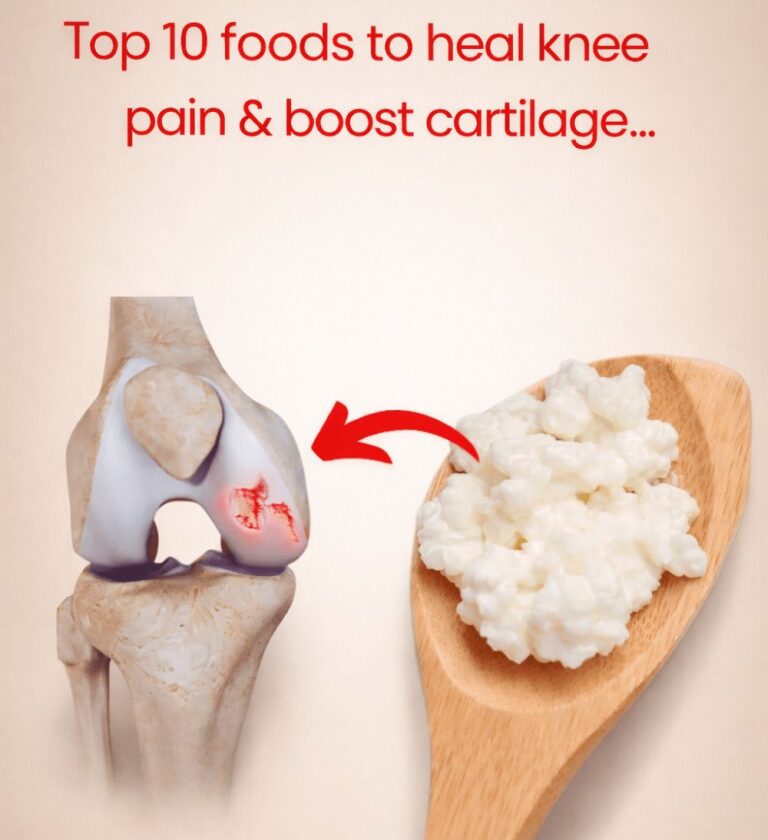
Knee Pain Relief Nutrition and Cartilage Support (~1500+ words, SEO-Optimized)
Introduction: How Diet Affects Knee Pain and Cartilage Health
Knee pain is one of the most common joint problems worldwide, especially among older adults and people with active or physically demanding lifestyles. It can be caused by wear and tear of cartilage, inflammation, injury, or conditions such as osteoarthritis.
Osteoarthritis is one of the leading causes of chronic knee pain, and it develops when the protective cartilage between bones gradually breaks down.
While no food can “regrow” cartilage overnight or cure joint disease completely, research shows that certain foods can help:
- Reduce inflammation
- Support cartilage structure
- Improve joint lubrication
- Strengthen surrounding muscles and tissues
A balanced, anti-inflammatory diet plays an important role in long-term joint comfort and mobility.
How Cartilage Health Works in the Knee
Cartilage is a smooth, flexible tissue that cushions joints and allows bones to move without friction. It contains collagen, water, and specialized proteins that maintain elasticity.
Over time, cartilage may wear down due to:
- Aging
- Excess body weight
- Repetitive strain
- Injury
- Inflammation
Nutrition cannot fully regenerate cartilage, but it can help slow breakdown and support joint repair processes.
Top 10 Foods That Support Knee Health and Reduce Joint Discomfort
1. Fatty Fish (Omega-3 Rich Foods)
Fatty fish are among the best natural anti-inflammatory foods for joint health.
Examples:
- Salmon
- Sardines
- Mackerel
Benefits:
- Reduce joint inflammation
- Improve mobility
- Help ease stiffness
Omega-3 fatty acids play a key role in reducing inflammatory chemicals in the body.
2. Leafy Green Vegetables
Greens are packed with antioxidants and vitamins that support bone and joint health.
Examples:
- Spinach
- Kale
- Collard greens
Benefits:
- Protect cartilage from oxidative damage
- Support bone strength
- Reduce inflammation
3. Berries (Natural Anti-Inflammatory Fruits)
Berries contain antioxidants called polyphenols.
Examples:
- Blueberries
- Strawberries
- Blackberries
Benefits:
- Fight inflammation
- Reduce joint swelling
- Support tissue repair
4. Nuts and Seeds
Nuts provide healthy fats, magnesium, and protein.
Examples:
- Almonds
- Walnuts
- Chia seeds
- Flaxseeds
Benefits:
- Support joint lubrication
- Reduce stiffness
- Provide omega-3 support
5. Olive Oil (Healthy Fat for Joint Protection)
Extra virgin olive oil contains natural anti-inflammatory compounds.
Benefits:
- Acts like a mild natural anti-inflammatory
- Supports cartilage protection
- Reduces joint stiffness
It is often compared to mild pain-relief compounds due to its natural properties.
6. Turmeric (Curcumin-Rich Spice)
Turmeric contains curcumin, a powerful anti-inflammatory compound.
Benefits:
- Reduces joint swelling
- May ease arthritis symptoms
- Supports mobility
It is often used in traditional medicine for joint discomfort.
7. Ginger (Natural Pain and Inflammation Relief Support)
Ginger is widely studied for its anti-inflammatory effects.
Benefits:
- Helps reduce knee pain
- Improves circulation
- Supports joint flexibility
8. Bone Broth (Collagen Support Food)
Bone broth is rich in collagen, gelatin, and amino acids.
Benefits:
- Supports cartilage structure
- Helps joint cushioning
- Provides essential building blocks for connective tissue
9. Beans and Legumes
Plant-based protein sources that support muscle and joint health.
Examples:
- Lentils
- Chickpeas
- Black beans
Benefits:
- Support muscle strength around joints
- Reduce inflammation
- Provide fiber for weight management
10. Citrus Fruits (Vitamin C Rich Foods)
Vitamin C is essential for collagen production.
Examples:
- Oranges
- Lemons
- Grapefruits
Benefits:
- Supports cartilage formation
- Helps tissue repair
- Strengthens immune function
Other Important Lifestyle Factors for Knee Health
Food alone is not enough. Joint health also depends on:
1. Maintaining a Healthy Weight
Excess weight increases pressure on knee joints.
2. Regular Low-Impact Exercise
- Walking
- Swimming
- Cycling
3. Staying Hydrated
Water supports joint lubrication.
4. Avoiding Excess Sugar and Processed Foods
These may increase inflammation.
Can Food Really “Heal” Cartilage?
It is important to clarify:
- Cartilage does not fully regenerate once significantly damaged
- Food helps support joint health and slow degeneration
- Anti-inflammatory diets reduce pain and improve function
Nutrition works best as part of a long-term lifestyle approach.
When to See a Doctor
Seek medical advice if you experience:
- Persistent knee swelling
- Severe or worsening pain
- Difficulty walking
- Joint stiffness lasting more than a few weeks
Final Thoughts: Food as Support, Not a Cure
A joint-friendly diet rich in anti-inflammatory and nutrient-dense foods can significantly improve knee comfort and mobility over time.
While no single food can rebuild cartilage instantly, consistent healthy eating can support joint function, reduce inflammation, and improve quality of life.
PART 2: Simple Knee Health Food List
Top 10 Foods for Knee Support
- Salmon and sardines
- Spinach and kale
- Blueberries and strawberries
- Almonds and walnuts
- Olive oil
- Turmeric
- Ginger
- Bone broth
- Lentils and beans
- Oranges and lemons
Simple Daily Tips
- Eat anti-inflammatory foods daily
- Stay active with low-impact exercise
- Maintain healthy body weight
- Drink enough water
If you want, I can also turn this into:
- A viral SEO blog with meal plan (7-day knee pain diet)
- A YouTube script
- Or a “Top foods vs foods that worsen knee pain” comparison article