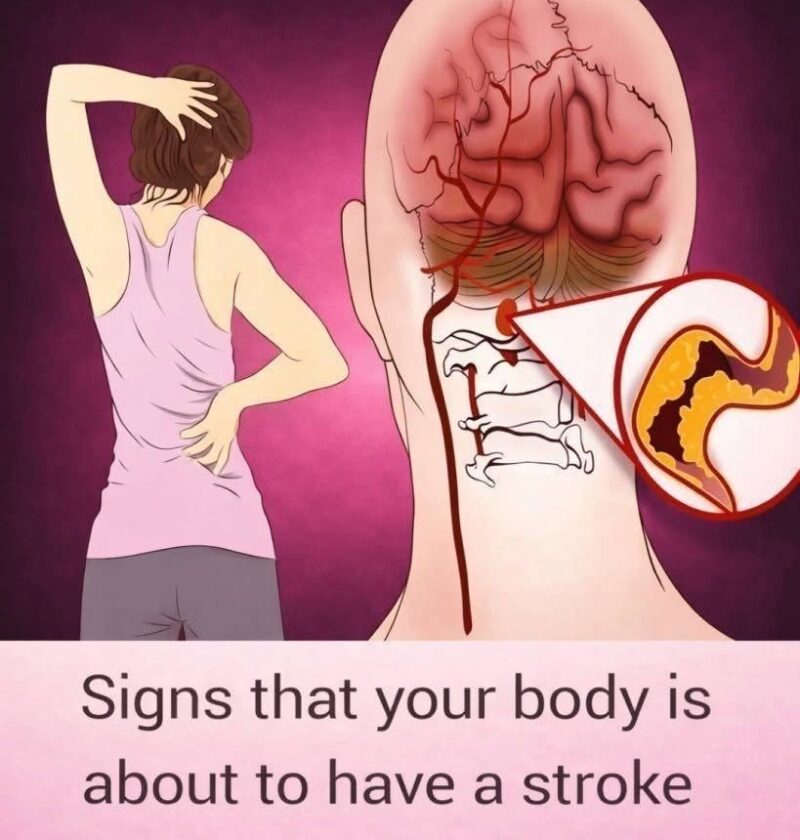
10 Early Warning Signs of a Stroke Everyone Should Know
A stroke can happen suddenly, and early recognition is critical. While some people experience warning episodes called transient ischemic attack (TIA) (a brief interruption of blood flow to the brain), many strokes occur without advance warning.
Knowing the signs can help you act quickly and seek emergency care.
1. Sudden weakness or numbness
- Weakness, tingling, or loss of feeling in the face, arm, or leg—especially on one side of the body.
2. Face drooping
- One side of the face may become uneven or feel weak.
- Ask the person to smile and check whether one side droops.
3. Trouble speaking
- Speech may become slurred, confused, or difficult to understand.
- The person may struggle to find the right words.
4. Sudden vision problems
- Blurred vision, double vision, or loss of vision in one or both eyes.
5. Sudden dizziness or loss of balance
- Difficulty walking, poor coordination, or a sudden feeling of being unsteady.
6. Severe, unusual headache
- A sudden, intense headache—especially one that is different from previous headaches—may be a warning sign.
7. Sudden confusion
- Difficulty understanding conversations, recognizing familiar people, or thinking clearly.
8. Trouble swallowing
- Sudden difficulty swallowing or controlling facial muscles can occur with some strokes.
9. Loss of coordination
- Sudden clumsiness, difficulty using a hand, or problems with precise movements.
10. Symptoms that disappear after a few minutes
- Brief stroke-like symptoms that go away may be a TIA and still require urgent medical evaluation.
Remember FAST:
- F — Face: Is one side of the face drooping?
- A — Arms: Is one arm weak or numb?
- S — Speech: Is speech strange or unclear?
- T — Time: Call emergency services immediately.
Ways to reduce stroke risk
- Keep blood pressure controlled.
- Manage cholesterol and diabetes.
- Avoid smoking and tobacco.
- Stay physically active.
- Eat a balanced diet with less salt and more whole foods.
- Maintain a healthy weight.
- Limit excessive alcohol.
- Take prescribed medications as directed.
- Get regular medical checkups.
Do not wait for symptoms to improve on their own. Even if signs disappear quickly, urgent medical attention is important because treatment decisions may depend on how quickly care begins.