As people get older, it’s common to wonder whether taking vitamins can help protect the brain or lower the risk of stroke. The evidence is nuanced: maintaining adequate nutrition is important for brain health, but vitamin supplements are not a proven way to prevent strokes for most people.
Vitamins and Stroke Risk
Research suggests that:
- Vitamin deficiencies can matter. Low levels of vitamins such as B12, folate (B9), and vitamin D have been associated with poorer neurological health in some studies.
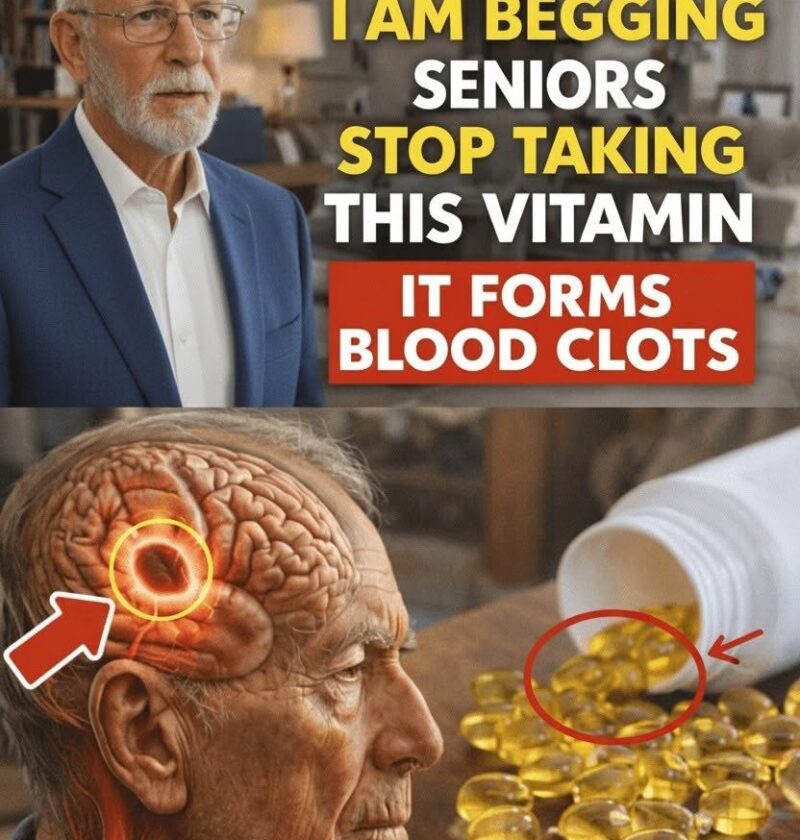
- B vitamins (B6, B12, and folate) can lower levels of homocysteine, an amino acid linked to increased stroke risk. However, while supplements lower homocysteine, they have generally not consistently reduced stroke risk in people who already have adequate nutrition. Some populations with low folate intake may benefit more.
- Vitamin D deficiency is associated with a higher risk of cardiovascular disease and stroke, but routine vitamin D supplementation has not consistently been shown to prevent stroke in the general population.
- Antioxidant vitamins such as vitamins C and E have not demonstrated clear benefits in preventing stroke when taken as supplements.
Supporting Brain Health
The strongest evidence for protecting brain health includes:
- Eating a balanced diet rich in vegetables, fruits, whole grains, legumes, nuts, and fish (patterns similar to the Mediterranean or MIND diets).
- Staying physically active.
- Keeping blood pressure, cholesterol, and blood sugar under control.
- Avoiding smoking and limiting alcohol.
- Getting enough sleep and staying socially and mentally engaged.
When Supplements May Help
Vitamin supplements can be appropriate if a healthcare professional identifies a deficiency or if someone has a condition that increases the risk of deficiency, such as:
- Vitamin B12 deficiency (more common in older adults, especially those taking certain medications or with reduced absorption).
- Vitamin D deficiency.
- Specific dietary restrictions or medical conditions that affect nutrient absorption.
Important Considerations
- More is not always better. High doses of some vitamins can be harmful. For example, excessive vitamin E may increase the risk of bleeding, particularly in people taking blood thinners.
- Supplements should not replace prescribed treatments for stroke prevention, such as medications for high blood pressure, diabetes, high cholesterol, or atrial fibrillation.
Bottom Line
For most older adults, the best approach is to obtain vitamins through a nutritious diet and use supplements only when there is a documented need or a healthcare professional recommends them. The greatest reductions in stroke risk come from managing established risk factors—especially blood pressure, diabetes, cholesterol, smoking, and physical inactivity—rather than from routine vitamin supplementation alone.