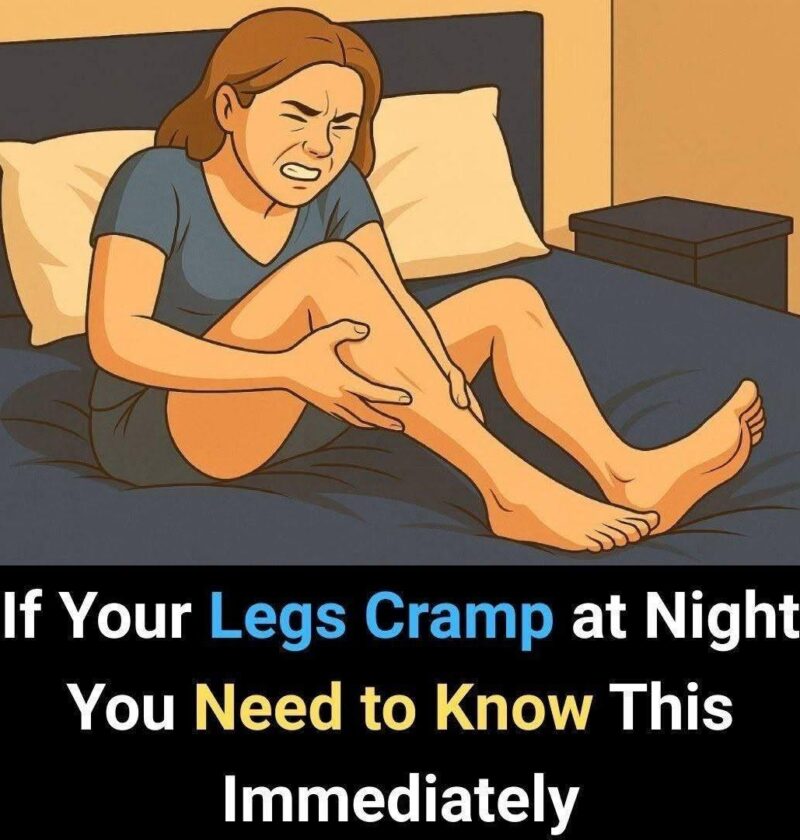
Nighttime leg cramps are sudden, painful muscle contractions that commonly affect the calves, feet, or thighs. They can be uncomfortable and may wake you from sleep, but they are often not a sign of a serious problem.
Common reasons legs cramp at night
- Muscle fatigue or overuse
- More walking, standing, exercise, or strain than usual can trigger cramps.
- Dehydration
- Not drinking enough fluids, especially after sweating, may contribute.
- Changes with aging
- Muscle and tendon changes over time can make cramps more common in older adults.
- Certain medications
- Some medicines, including certain diuretics (“water pills”) and others, may increase the chance of cramps in some people.
- Nerve or circulation problems
- Conditions affecting nerves, blood flow, or metabolism can sometimes be linked to recurring cramps.
What to do when a cramp happens
- Gently stretch the cramped muscle (for a calf cramp, pull your toes toward your shin).
- Massage the area.
- Stand up and walk slowly if you can.
- Use a warm compress or heating pad to relax the muscle.
Ways to reduce nighttime cramps
- Stretch your calves and legs before bed.
- Stay hydrated throughout the day.
- Wear supportive footwear during the day.
- Avoid sudden increases in intense exercise.
When to seek medical advice
Talk to a healthcare professional if cramps:
- Happen often or are getting worse
- Cause significant sleep disruption
- Come with swelling, weakness, numbness, or changes in skin color
- Begin after starting a new medication
Also, while electrolyte problems can contribute to cramps, taking potassium or magnesium supplements is not a guaranteed solution and may be unsafe for some people—especially those with kidney disease or certain medications. A healthcare professional can help identify the cause if cramps are frequent.