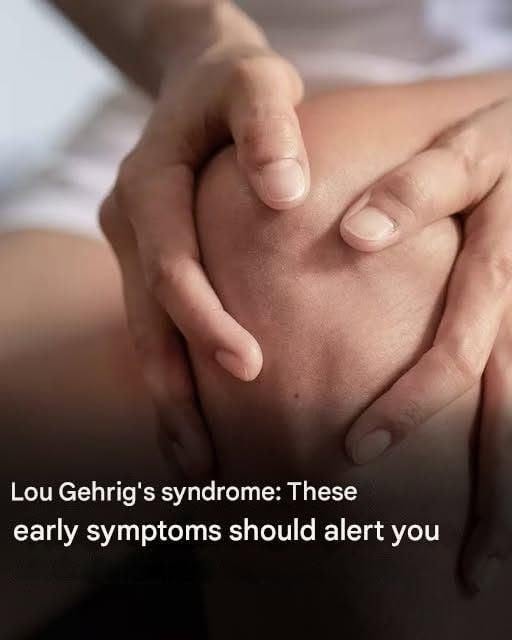
Lou Gehrig’s disease is the common name for amyotrophic lateral sclerosis (ALS), a progressive neurological disease that affects nerve cells responsible for controlling voluntary muscles. Early symptoms can be subtle and may vary from person to person.
Early symptoms of ALS
1. Muscle weakness in one area
Often one of the first signs:
- Dropping objects more often
- Trouble buttoning clothes or using keys
- Weak grip
- Difficulty lifting a foot or arm
2. Muscle twitching (fasciculations)
- Small, involuntary muscle movements may appear under the skin.
- They can occur in the arms, legs, shoulders, or tongue.
3. Muscle cramps and stiffness
- Frequent cramps
- Tight or stiff muscles
- Difficulty relaxing certain muscles
4. Changes in speech
Some people first notice:
- Slurred speech
- A softer voice
- Difficulty pronouncing certain words
5. Trouble swallowing
- Coughing or choking during meals
- Food feeling stuck
- Longer time needed to eat
6. Tripping or balance problems
- Foot weakness may cause stumbling or difficulty walking.
7. Fatigue and reduced endurance
- Muscles may tire more quickly during normal activities.
8. Emotional changes (in some people)
Some people with ALS may experience:
- Uncontrolled laughing or crying (pseudobulbar affect)
- Changes in emotional expression
Symptoms that are usually not typical early signs
ALS usually does not begin with:
- Loss of sensation (numbness or tingling)
- Severe pain as the main symptom
- Memory loss as the main symptom
When to seek medical evaluation
Persistent or progressive symptoms such as:
- Unexplained muscle weakness
- Increasing difficulty walking
- Ongoing speech or swallowing changes
- Muscle wasting
should be evaluated by a healthcare professional, often a neurologist.
Many conditions can cause symptoms that look similar to early ALS, including nerve compression, vitamin deficiencies, thyroid problems, and other neurological disorders. A proper evaluation is needed to determine the cause.