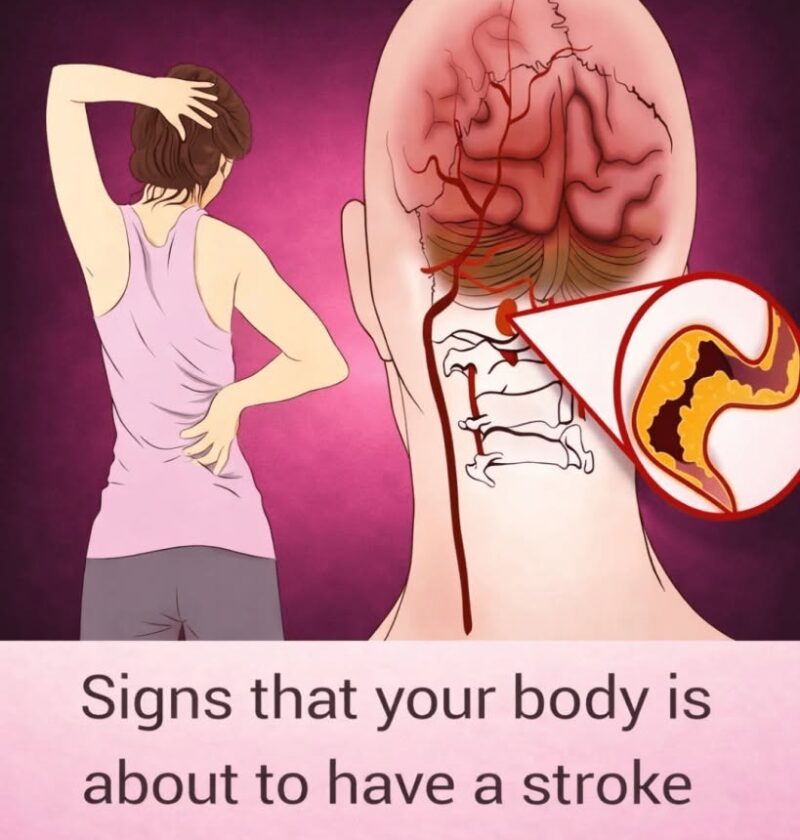
Recognizing the early signs of a stroke and acting quickly can save a life and reduce the risk of permanent disability. A stroke occurs when blood flow to part of the brain is interrupted or when a blood vessel in the brain ruptures. Immediate medical treatment is critical.
Here are 10 important warning signs:
- Sudden numbness or weakness
- Especially on one side of the face, arm, or leg.
- Ask the person to smile—one side of the face may droop.
- Difficulty speaking or understanding speech
- Slurred speech.
- Trouble finding words or understanding what others are saying.
- Sudden confusion
- Difficulty thinking clearly or responding appropriately.
- Vision problems
- Sudden blurred vision, double vision, or loss of vision in one or both eyes.
- Difficulty walking
- Sudden loss of balance or coordination.
- Feeling unusually unsteady.
- Severe dizziness
- Especially when accompanied by other stroke symptoms.
- A sudden, severe headache
- Often described as the “worst headache of my life,” particularly if it begins abruptly and has no obvious cause.
- This can be a sign of bleeding in the brain.
- Difficulty swallowing
- New trouble swallowing or choking without another clear explanation.
- Sudden weakness or loss of coordination
- Difficulty lifting an arm, grasping objects, or controlling movements.
- Sudden loss of consciousness or fainting
- Although less common, this can occur, particularly with larger strokes or bleeding in the brain.
Remember the acronym FAST
- F – Face: Does one side of the face droop?
- A – Arms: Does one arm drift downward when both arms are raised?
- S – Speech: Is speech slurred or difficult to understand?
- T – Time: Call your local emergency services immediately if any of these signs appear, even if they go away.
Additional points
- Symptoms usually begin suddenly.
- A temporary episode that resolves within minutes or hours may be a transient ischemic attack (TIA), sometimes called a “mini-stroke.” A TIA is a medical emergency because it can be a warning that a full stroke may occur soon.
- Note the time when symptoms first started or when the person was last known to be well, as this information helps determine which treatments may be appropriate.
Prompt recognition and emergency medical care offer the best chance of reducing brain injury and improving recovery. Even if symptoms improve or disappear, seek emergency evaluation right away rather than waiting to see if they return.