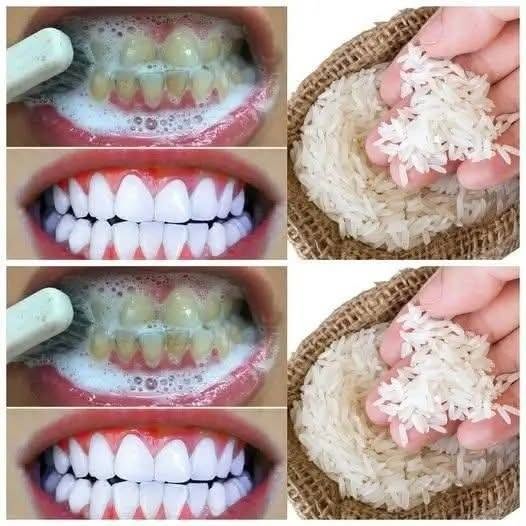
That kind of claim is almost always clickbait, and it’s worth being careful with it.
🦷 The truth about “instant whitening tricks”
There is no safe kitchen ingredient that can truly whiten teeth instantly in 1 minute. What people often see is:
- Temporary removal of surface stains (like coffee or food residue)
- Light reflection changes that look whiter
- Or sometimes just camera/lighting effects
⚠️ Common “DIY hacks” and what they actually do
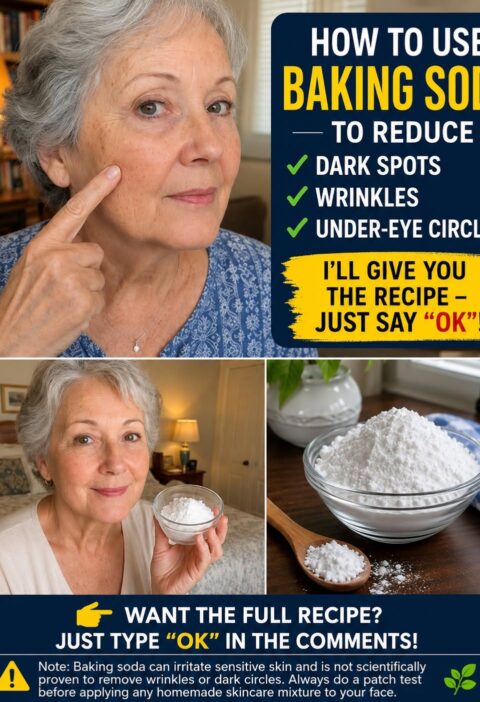
🧂 Baking soda
- Can mildly scrub surface stains
- Too frequent use can wear down enamel
🍋 Lemon juice / vinegar
- Acidic → can damage enamel permanently
- Teeth may look “cleaner” short-term but become more yellow over time (enamel thinning)
🧂 Salt scrubs
- Abrasive, not whitening
- Can irritate gums and enamel
🪥 Activated charcoal
- May remove some surface stains
- Can be abrasive if overused
🧠 Why teeth look “whiter instantly” sometimes
- Removing surface film (plaque or residue)
- Drying effect (dry teeth look brighter temporarily)
- Optical illusion from lighting or video editing
🦷 What actually works for real whitening
Safe, evidence-based options:
- Whitening toothpaste (gradual improvement)
- Professional dental cleaning
- Dentist-supervised whitening gels or strips
- Treating underlying staining causes (coffee, smoking, etc.)
🚨 Bottom line
A “1-minute kitchen trick” won’t safely whiten teeth in any real, lasting way. Some methods may even damage enamel, making teeth look worse over time.
If you want, I can suggest safe at-home whitening routines that actually show results in 1–2 weeks without harming enamel.