Boiled eggshells can be reused in a few practical ways around the home, but many viral claims exaggerate their benefits. Here’s how to prepare them safely and some realistic uses.
How to boil eggshells
- Rinse the shells to remove any remaining egg white or yolk.
- Place them in a pot and cover with water.
- Boil for 10 minutes to help sanitize them.
- Drain and let them dry completely.
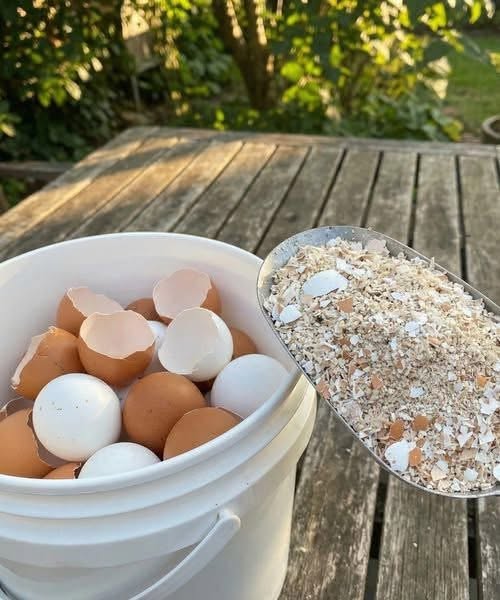
- Crush them by hand or grind them into a fine powder if needed.
Practical uses
- Garden soil amendment: Crushed eggshells add calcium over time as they break down, though they decompose slowly and are not a quick fertilizer.
- Compost: Eggshells are a good addition to compost piles.
- Seed-starting pots: Half-shells can be used as small biodegradable containers for starting seeds.
- Gentle scrub: Finely crushed shells can provide mild abrasion for cleaning sturdy pots and pans (avoid using them on delicate or nonstick surfaces).
- Craft projects: Use them for mosaics, ornaments, or other art projects.
Common myths
- “Eggshells stop all slugs and snails.” The evidence is mixed; they don’t reliably keep these pests away.
- “Eggshells instantly fertilize plants.” They release calcium very slowly, so they aren’t a quick nutrient source.
- “Eggshell water is a miracle plant food.” Boiling shells may release only small amounts of calcium into the water, so the effect is limited.
As long as the shells are cleaned and dried, reusing them can reduce waste and provide a few modest benefits, especially in composting and gardening.