The headline “New method: colonoscopy will no longer be an invasive examination” is likely referring to newer or alternative approaches being developed or used for colorectal cancer screening, but it does not mean traditional colonoscopy has disappeared.
A colonoscopy is still considered one of the most complete tests because it allows doctors to:
- Directly view the entire colon
- Find and remove polyps before they become cancerous
- Take tissue samples (biopsies) if needed
Newer or less invasive options include:
- Stool-based tests
- Tests such as fecal immunochemical testing (FIT) look for hidden blood in stool.
- Some DNA-based stool tests can detect certain changes associated with colorectal cancer.
- These are non-invasive but usually need to be repeated regularly and may require a colonoscopy if results are abnormal.
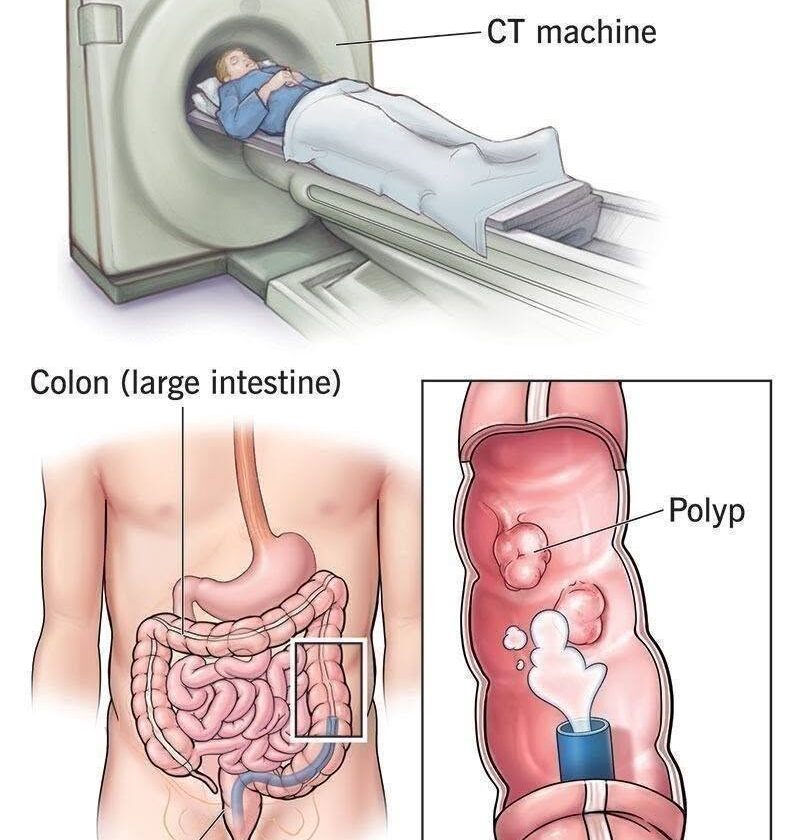
- CT colonography (“virtual colonoscopy”)
- Uses CT imaging to create pictures of the colon.
- It does not require a scope inserted into the colon, but bowel preparation is still usually needed, and follow-up colonoscopy may be required if abnormalities are found.
- Other emerging technologies
- Researchers are studying capsule-based imaging and advanced detection methods, but availability and effectiveness vary.
For many people at average risk, screening recommendations depend on age, family history, previous findings, and local guidelines. A less invasive test may be a good option for some people, but colonoscopy remains an important tool because it can both detect and treat problems during the same procedure.
If you have the rest of the article or the name of the “new method” it mentions, I can help check what it actually is and whether it is available.