Leg Cramps at Night: Causes, Prevention & Treatment
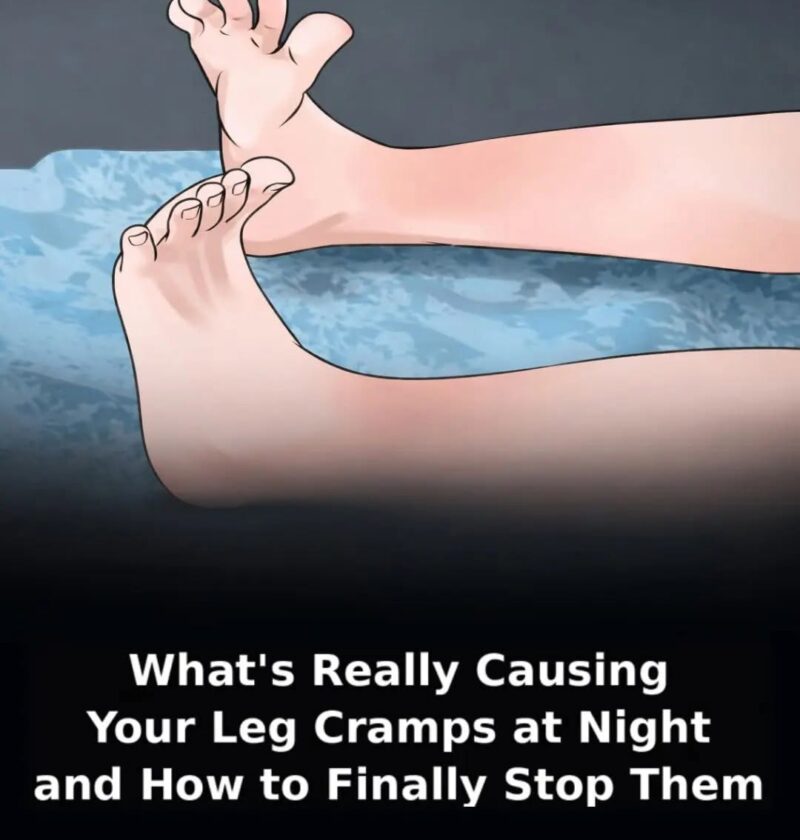
Nighttime leg cramps are sudden, painful muscle contractions that often affect the calves, feet, or thighs. They can last from a few seconds to several minutes and may leave the muscle feeling sore afterward. They are common, especially as people get older, but frequent or severe cramps may need medical attention.
Common Causes of Leg Cramps at Night
1. Muscle fatigue or overuse
Extra activity, prolonged standing, walking, or intense exercise can strain muscles and trigger cramps.
2. Dehydration
Not drinking enough fluids may contribute to muscle tightness and cramping.
3. Mineral imbalances
Low levels of certain minerals, including magnesium, potassium, or calcium, may be linked with muscle cramps, although supplements are not always helpful unless a deficiency is present.
4. Poor circulation
Reduced blood flow to the legs may contribute to discomfort or cramping in some people.
5. Nerve problems
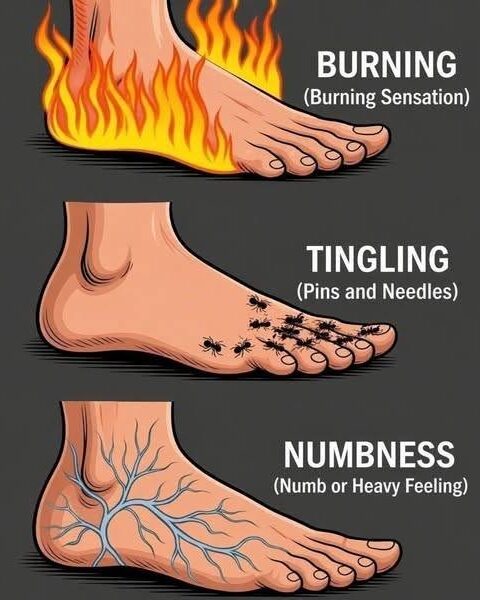
Conditions affecting nerves, such as diabetes-related nerve damage, can sometimes cause cramps or unusual sensations.
6. Certain medications
Some medicines, including certain diuretics (“water pills”) and cholesterol medications, may contribute to muscle symptoms in some people.
7. Age-related muscle changes
As people age, changes in muscle strength, flexibility, and nerve function can increase the likelihood of cramps.
How to Prevent Night Leg Cramps
1. Stretch before bed
Gentle calf and leg stretches before sleeping may help reduce cramps.
Simple calf stretch:
- Stand facing a wall.
- Place one foot behind the other.
- Keep the back heel on the floor.
- Lean forward gently and hold for 20–30 seconds.
2. Stay hydrated
Drink enough fluids throughout the day unless your healthcare provider has advised fluid restriction.
3. Stay active
Regular walking and gentle strength exercises can support muscle health.
4. Avoid long periods of inactivity
Move your legs regularly if you sit for long periods.
5. Wear supportive footwear
Proper shoes can reduce strain on leg muscles.
6. Review medications with your healthcare provider
If cramps began after starting a new medication, ask whether it could be contributing