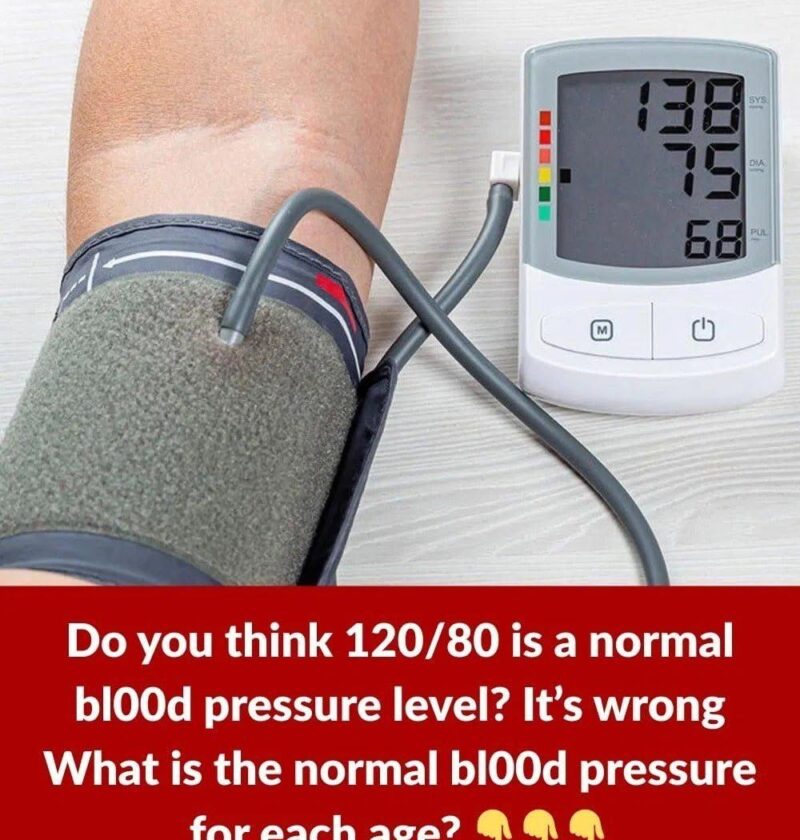
The idea that there is a different “normal blood pressure for each age” is a common misconception. Blood pressure often rises with age, but older age does not automatically make higher numbers healthy. The ideal range depends on your overall health, medical conditions, and your doctor’s recommendations.
General adult blood pressure ranges
| Category | Systolic (top number) | Diastolic (bottom number) |
|---|---|---|
| Normal | Less than 120 | Less than 80 |
| Elevated | 120–129 | Less than 80 |
| High blood pressure (Stage 1) | 130–139 | or 80–89 |
| High blood pressure (Stage 2) | 140 or higher | or 90 or higher |
What about different ages?
There is no official chart where each age has its own “normal” number, but blood pressure goals are often individualized:
- Adults 18–64: Often aim for below 130/80 mmHg if treatment is needed and appropriate.
- Adults 65 and older: Many people still benefit from keeping blood pressure controlled, but targets may be adjusted based on frailty, falls, other illnesses, and medication tolerance.
- Children and teenagers: Blood pressure is interpreted differently using age, sex, and height charts.
Why blood pressure may rise with age
- Arteries can become stiffer over time.
- Lifestyle factors, medications, and health conditions can influence readings.
- Some increase is common, but consistently high blood pressure can still raise the risk of heart disease, stroke, and kidney problems.
Tips for accurate home readings
- Sit quietly for 5 minutes before measuring.
- Keep feet flat on the floor and your arm supported.
- Avoid caffeine, smoking, and exercise shortly before checking.
- Take more than one reading and track the results.
A single high reading does not always mean you have hypertension. If readings are repeatedly high, a healthcare professional can help determine the right target for you.