Stroke Risk: Why Early Awareness Matters
A stroke is a serious medical condition that occurs when blood flow to the brain is interrupted or reduced, preventing brain tissue from getting oxygen and nutrients. This can lead to brain cell damage within minutes.
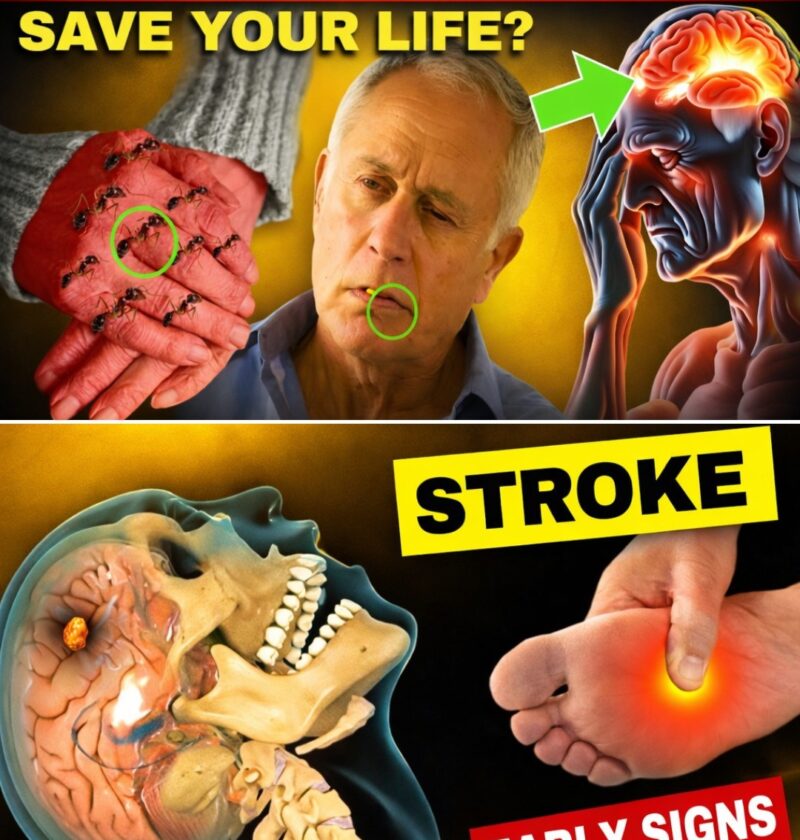
Although many strokes happen suddenly, research shows that some people may experience early warning signs or transient symptoms days or weeks before a major stroke. These are often linked to a condition called a Transient Ischemic Attack (TIA), sometimes referred to as a “mini-stroke.”
Recognizing these early signals and taking preventive action can significantly reduce the risk of long-term disability or life-threatening complications.
🧬 What Happens Before a Stroke? Understanding Early Brain Warning Signs
Before a full stroke occurs, the brain may experience temporary disruptions in blood flow. These interruptions can cause subtle symptoms that should never be ignored.
These warning signals are often temporary, but they indicate that the brain’s blood supply is at risk.
🚨 Possible Early Warning Signs Linked to Stroke Risk (Not Guaranteed Timeline)
1. Sudden Episodes of Weakness or Numbness
One of the most common early indicators is sudden weakness, especially on one side of the body. This may affect the face, arm, or leg.
2. Temporary Speech or Language Difficulty
Some individuals may experience:
- Slurred speech
- Difficulty finding words
- Trouble understanding conversation
3. Brief Vision Disturbances
Vision problems may include:
- Blurred vision
- Partial loss of vision in one or both eyes
- Double vision episodes
4. Sudden Dizziness or Loss of Balance
Unexplained dizziness, coordination issues, or difficulty walking may indicate reduced blood flow to the brain.
5. Short Episodes of Confusion
Temporary confusion or difficulty focusing can sometimes appear before serious neurological events.
6. Sudden Severe Headaches
A sudden, intense headache without a known cause may be a warning sign of vascular issues in the brain.
7. Tingling Sensation or Facial Drooping
Some people experience abnormal sensations or slight drooping on one side of the face.
8. Temporary Memory or Cognitive Changes
Brief episodes of forgetfulness or mental “fog” may occur when brain circulation is affected.
⚠️ Important Medical Note
These symptoms do NOT confirm a stroke will happen, but they may indicate a higher risk or a mini-stroke (TIA). Immediate medical evaluation is essential if any of these symptoms appear.
❤️ Key Risk Factors That Increase Stroke Chances
Understanding risk factors helps in prevention and early action.
🧬 Health-related risks:
- High blood pressure (hypertension)
- Diabetes
- High cholesterol
- Heart disease
- Obesity
🚭 Lifestyle risks:
- Smoking
- Physical inactivity
- Poor diet (high salt, fat, and sugar)
- Excessive alcohol consumption
🧠 Other factors:
- Age (risk increases with age)
- Family history of stroke
- Chronic stress
🛡️ 9 Powerful Science-Backed Ways to Reduce Stroke Risk
1. Control Blood Pressure Regularly
High blood pressure is the leading cause of stroke. Regular monitoring and management are essential.
2. Follow a Heart-Healthy Diet
A balanced diet rich in:
- Fruits and vegetables
- Whole grains
- Lean protein
- Healthy fats
helps protect blood vessels.
3. Reduce Salt Intake
Too much sodium can raise blood pressure, increasing stroke risk.
4. Stay Physically Active
Regular exercise improves circulation, heart health, and weight control.
5. Quit Smoking
Smoking damages blood vessels and significantly increases stroke risk.
6. Manage Blood Sugar Levels
Controlling diabetes helps protect blood vessels in the brain.
7. Limit Alcohol Consumption
Excess alcohol can increase blood pressure and weaken cardiovascular health.
8. Maintain Healthy Weight
Obesity increases the risk of hypertension, diabetes, and heart disease.
9. Reduce Stress and Improve Sleep
Chronic stress and poor sleep can negatively affect blood pressure and heart health.
🧠 FAST Stroke Awareness Rule (Emergency Recognition)
If stroke symptoms occur suddenly, remember:
- F – Face drooping
- A – Arm weakness
- S – Speech difficulty
- T – Time to call emergency services
Immediate action is critical.
📚 Sources (Medical References)
- World Health Organization (WHO) – Stroke fact sheets
- American Stroke Association (ASA) – Stroke warning signs and prevention
- Centers for Disease Control and Prevention (CDC) – Stroke information
- National Institute of Neurological Disorders and Stroke (NINDS)
- Mayo Clinic – Stroke symptoms and risk factors
🧠 Part 2: Simple Daily Stroke Prevention Lifestyle Plan (Easy Action Guide)
🥗 Heart-Healthy Daily Routine Plan
🧾 Morning Routine:
- Drink a glass of water
- Light stretching or walking
- Eat a balanced breakfast with fruits or whole grains
🍽️ Daily Eating Habits:
- Include vegetables in every meal
- Reduce salt and fried foods
- Use healthy oils in moderation
- Avoid processed foods
🚶 Physical Activity:
- 20–30 minutes of walking daily
- Light exercise or movement every few hours
💤 Night Routine:
- Sleep 7–8 hours
- Avoid screen stress before bed
- Keep a consistent sleep schedule
⭐ Final Note
Stroke risk can often be reduced through healthy lifestyle choices, early awareness of warning signs, and timely medical care. While symptoms are not predictable, maintaining good cardiovascular health is the most effective long-term protection strategy.