Why Color Choice Matters More Than Age
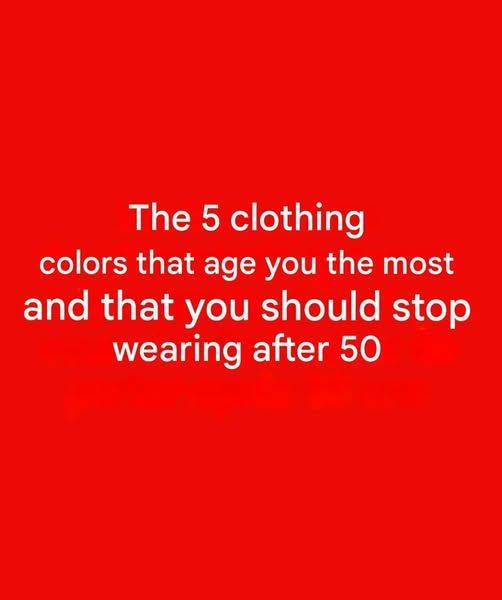
As we age, natural changes in skin tone, hair color, and contrast can affect how certain colors appear against our complexion. A color that looked fantastic at 30 may feel less flattering at 60—not because of age itself, but because our coloring changes over time.
The goal isn’t to avoid specific colors forever. Instead, it’s about choosing shades that complement your natural features and help you look vibrant, rested, and confident.
The Biggest Fashion Myth After 50
One of the most common myths is that people over 50 should only wear neutral or “safe” colors. In reality, many bright and rich colors can look stunning at any age.
The secret is understanding:
- Undertones (warm, cool, or neutral)
- Color intensity
- Contrast between clothing and complexion
- Personal style preferences
1. Harsh Neon Shades
Very bright neon colors can sometimes overpower mature complexions.
Examples include:
- Neon yellow
- Neon green
- Electric orange
Why they can be challenging:
- Draw attention away from facial features
- Create strong visual contrast
- Can emphasize skin texture under certain lighting
Better Alternative
Try softer vibrant shades such as:
- Coral
- Watermelon pink
- Soft turquoise
- Jewel-toned teal
These offer color without overwhelming your appearance.
2. Dull Beige Close to Your Skin Tone
Beige isn’t inherently bad. The issue occurs when the beige is almost identical to your skin tone.
Potential effect:
- Washed-out appearance
- Reduced facial contrast
- Less visual definition
Better Alternative
Choose:
- Camel
- Warm taupe
- Soft caramel
- Ivory
These shades often provide more depth and dimension.
3. Extremely Dark Colors Near the Face
Colors such as:
- Deep black
- Very dark charcoal
- Dark espresso brown
can sometimes create strong shadows around the face.
This doesn’t mean you must avoid black. Black remains a timeless classic.
Better Alternative
Try:
- Navy blue
- Soft charcoal
- Deep plum
- Midnight blue
These shades often appear softer while remaining elegant.
4. Muddy Olive or Yellow-Green Tones
Certain olive shades can make some complexions appear tired, especially if they contain strong yellow undertones.
Possible effects:
- Dull-looking skin
- Reduced brightness around the eyes
- Uneven-looking complexion
Better Alternative
Consider:
- Sage green
- Emerald green
- Forest green
- Soft eucalyptus
These often provide freshness without the dulling effect.
5. Pale Gray Without Contrast
Light gray can be sophisticated, but on some people it may:
- Blend too closely with gray or silver hair
- Reduce facial definition
- Create a tired appearance
Better Alternative
Try pairing gray with:
- Bright scarves
- Statement jewelry
- Colorful tops
- Navy accents
Contrast often solves the problem.
The Real Secret: Wear Colors That Bring Light to Your Face
Instead of focusing on colors to avoid, focus on colors that:
- Brighten your complexion
- Make your eyes stand out
- Complement your hair color
- Make you feel confident
Many people find success with:
- Teal
- Emerald
- Berry tones
- Coral
- Soft blues
- Rose pink
- Rich plum
How to Test Whether a Color Works for You
A simple method:
- Stand near natural daylight.
- Hold different colors near your face.
- Notice which colors:
- brighten your skin
- reduce shadows
- make your eyes look clearer
The right color often makes you look more refreshed without makeup or extra styling.
Final Thoughts
Fashion after 50 isn’t about restrictions—it’s about refinement. No color is automatically “wrong” because of age. The most flattering wardrobe is one that reflects your personality, complements your natural coloring, and makes you feel comfortable and confident.
The best style rule after 50 is the same as at any age: wear what helps you feel like the best version of yourself.