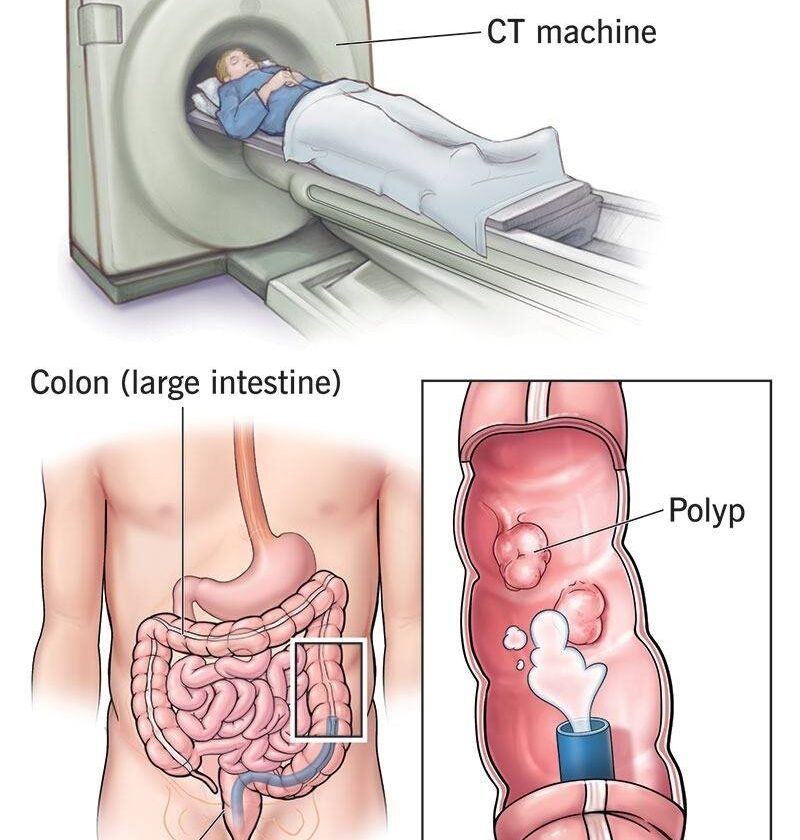
What a colonoscopy actually is
A colonoscopy is a diagnostic (and sometimes therapeutic) procedure where a flexible camera is inserted through the rectum to examine the inner lining of the large intestine (colon).
It is used to detect:
- Polyps (which may become cancerous)
- Tumors
- Inflammation (e.g., colitis)
- Ulcers
- Bleeding sources
- Narrowing or obstruction
It can also allow doctors to:
- Remove polyps
- Take biopsies (small tissue samples)
🩺 Key correction to your wording
- “Endoscopic probe” → more accurately a flexible endoscope (colonoscope) with a camera and light
- “Internal walls” → specifically the mucosal lining of the colon
- “Most importantly tumor masses” → cancer detection is important, but colonoscopy is also widely used for screening and prevention, not just tumors
🧠 Important medical context
A colonoscopy is still considered an invasive procedure, because it involves inserting an instrument into the body. However, it is:
- Highly safe when performed properly
- One of the most effective tools for early detection of colorectal cancer
🚨 Why it matters
Early detection of conditions like Colorectal cancer greatly improves treatment success and survival.
🧾 Bottom line