7 Warning Signs of Arthritis You Shouldn’t Ignore (Early Symptoms Guide)
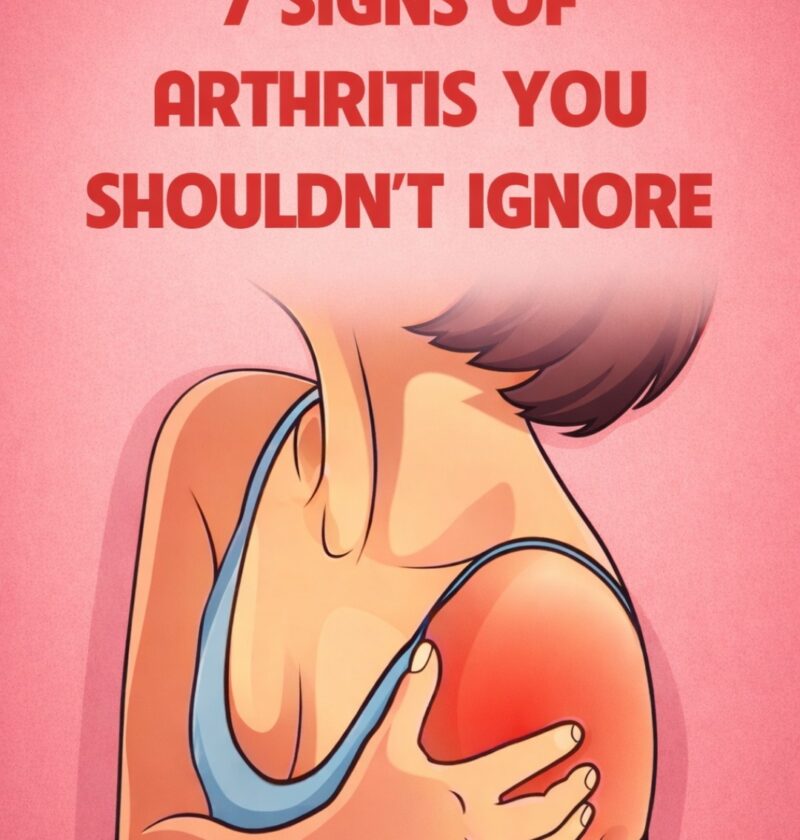
Arthritis is not just “normal aging” or occasional joint pain. It is a group of conditions—commonly including Osteoarthritis and Rheumatoid Arthritis—that cause inflammation, stiffness, and progressive joint damage if left untreated. The key to preventing long-term complications is recognizing early warning signs before the condition worsens.
Below are 7 important symptoms that should not be ignored.
1. Persistent Joint Pain That Doesn’t Go Away
One of the earliest and most common signs of arthritis is ongoing joint pain. Unlike temporary soreness from activity or injury, arthritis pain tends to:
- Last for weeks or longer
- Return repeatedly in the same joint
- Worsen with movement or after rest
If pain becomes a daily issue, it may indicate underlying joint inflammation.
2. Morning Stiffness That Lasts Too Long
Feeling slightly stiff after waking up is normal, but arthritis stiffness is different. It often:
- Lasts more than 30–60 minutes
- Makes it difficult to move fingers, knees, or back
- Improves slowly with movement
Long-lasting morning stiffness is especially common in inflammatory arthritis conditions like rheumatoid arthritis.
3. Swelling Around Joints
Inflammation inside the joint can cause visible swelling. This may appear as:
- Puffy or enlarged joints
- Warmth around the affected area
- Tenderness when touched
Swelling that comes and goes or remains consistent should always be checked by a healthcare professional.
4. Reduced Range of Motion
As arthritis progresses, joints may become harder to move normally. You might notice:
- Difficulty bending knees, elbows, or fingers
- Trouble gripping objects
- Feeling “locked” or restricted movement
This happens when cartilage begins to wear down or inflammation restricts joint function.
5. Joint Pain That Worsens After Activity
Unlike muscle soreness that improves with movement, arthritis pain often:
- Gets worse after walking, climbing stairs, or using hands
- Increases with repetitive motion
- Feels deeper and more persistent
This pattern is a strong indicator of joint degeneration or inflammation.
6. Clicking, Grinding, or Popping Sensations
Some people experience unusual sounds or sensations in the joints, such as:
- Grinding (crepitus) in knees or shoulders
- Clicking during movement
- A feeling of bones rubbing together
This can occur when protective cartilage has worn down over time.
7. Fatigue and General Weakness
Inflammatory types of arthritis can affect the whole body, not just the joints. This may lead to:
- Ongoing tiredness
- Low energy levels
- A feeling of heaviness or weakness
Fatigue is especially common in autoimmune-related arthritis conditions.
When You Should Take Action
If you notice several of these symptoms together—especially pain, stiffness, and swelling lasting more than a few weeks—it is important to consult a medical professional. Early diagnosis can slow progression and improve long-term joint health.