Full Guide to Vitamin D, Benefits, Risks, and Safe Usage
Understanding the Viral “Pharmacist Warning” About Vitamin D
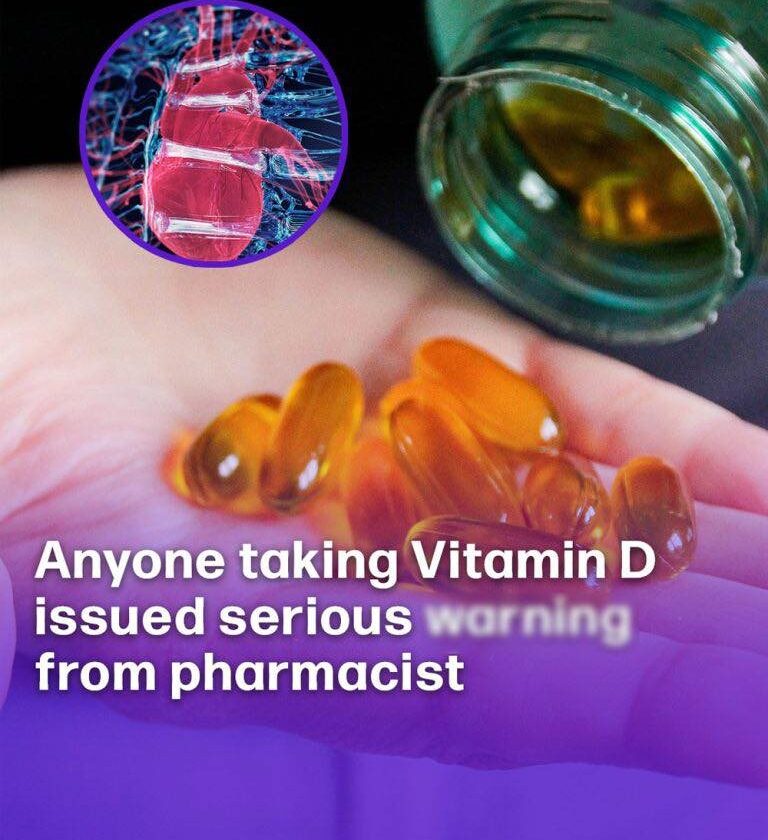
Headlines like “Pharmacist issues warning to anyone who takes Vitamin D” are common online and often create confusion about one of the most widely used supplements in the world. Vitamin D is essential for bone health, immune function, and overall wellness, but like any nutrient or supplement, it must be taken in appropriate amounts.
Pharmacists and healthcare professionals do not generally warn against vitamin D itself. Instead, they emphasize safe dosage, proper testing, and avoiding overuse, especially when people take high-strength supplements without medical guidance.
This topic is frequently searched using keywords such as:
- vitamin D overdose symptoms
- is vitamin D safe daily
- vitamin D side effects too much
- how much vitamin D should I take
- vitamin D deficiency symptoms
- best vitamin D supplement dosage
What Is Vitamin D and Why Is It Important?
Vitamin D is a fat-soluble vitamin that plays a crucial role in several body functions. Unlike most vitamins, it can be produced by the body when the skin is exposed to sunlight.
Key roles of vitamin D include:
- Supporting calcium absorption
- Maintaining strong bones and teeth
- Supporting immune system function
- Helping muscle performance
- Contributing to overall cellular health
There are two main forms:
- Vitamin D2 (ergocalciferol)
- Vitamin D3 (cholecalciferol – more effective form for humans)
Why Vitamin D Deficiency Is So Common
Vitamin D deficiency is widespread globally due to modern lifestyles.
Common causes include:
- Limited sun exposure
- Indoor living and office work
- Use of sunscreen (reduces synthesis)
- Darker skin pigmentation (reduces vitamin D production)
- Poor dietary intake
Symptoms of deficiency may include:
- Fatigue
- Bone or back pain
- Muscle weakness
- Low mood
- Frequent infections
This is why vitamin D supplements are widely recommended in many regions.
What Pharmacists Actually Warn About
Pharmacists are not warning people to avoid vitamin D completely. Instead, they caution against:
1. Taking Excessively High Doses
Vitamin D is fat-soluble, meaning it can accumulate in the body. Taking too much over time may lead to toxicity.
2. Self-Medicating Without Testing
Many people take supplements without checking their actual vitamin D levels through a blood test.
3. Combining Multiple Supplements
Some individuals unknowingly take vitamin D from:
- Multivitamins
- Bone health supplements
- Fortified foods
- High-dose capsules
This can lead to accidental overdosing.
Can You Take Too Much Vitamin D?
Yes, excessive intake of vitamin D over time can lead to a condition called vitamin D toxicity (hypervitaminosis D). This is rare but possible, usually caused by very high supplement doses.
Symptoms of Too Much Vitamin D
Excess vitamin D can cause high calcium levels in the blood, leading to symptoms such as:
- Nausea or vomiting
- Weakness and fatigue
- Frequent urination
- Kidney problems
- Loss of appetite
- Confusion in severe cases
This is why controlled dosing is important.
Safe Daily Vitamin D Intake Guidelines
General recommendations vary depending on age, health, and location, but common guidelines include:
- Adults: usually 600–800 IU per day (varies by country)
- Upper safe limit (without medical supervision): around 4,000 IU per day for most adults
Higher doses may be prescribed temporarily by doctors for deficiency treatment.
Who Is at Higher Risk of Vitamin D Problems?
Some people need extra caution when taking vitamin D supplements:
- Individuals with kidney disease
- People with calcium metabolism disorders
- Those taking high-dose long-term supplements
- Individuals already receiving vitamin D injections or therapy
Benefits of Taking Vitamin D Correctly
When used appropriately, vitamin D provides important health benefits:
- Stronger bones and teeth
- Better calcium absorption
- Improved immune support
- Reduced risk of deficiency-related disorders
- Support for muscle function
Food and Natural Sources of Vitamin D
Vitamin D can also be obtained through:
- Sunlight exposure
- Fatty fish (salmon, sardines)
- Egg yolks
- Fortified milk and cereals
However, many people still require supplements due to low sun exposure.
Why Vitamin D News Headlines Are Often Misleading
Viral posts often exaggerate pharmacist or doctor warnings to attract attention. In reality:
- Vitamin D is not dangerous when used correctly
- Problems arise from misuse, not normal supplementation
- Medical professionals support supplementation when needed
Final Thoughts on Vitamin D Safety
Vitamin D is an essential nutrient, not a harmful substance. The real message from pharmacists is simple: use vitamin D responsibly, avoid excessive dosing, and ideally base supplementation on blood test results.
When taken correctly, vitamin D is safe and beneficial for most people. The key is balance—not avoidance.
Part 2: Simple Vitamin D Safety Guide
Safe Use Tips
- Take vitamin D only in recommended doses
- Avoid multiple overlapping supplements
- Get sunlight exposure when possible
- Consider a blood test before high-dose use
- Follow doctor or pharmacist advice
Basic Sources
- Sunlight
- Vitamin D3 supplements
- Fatty fish and fortified foods