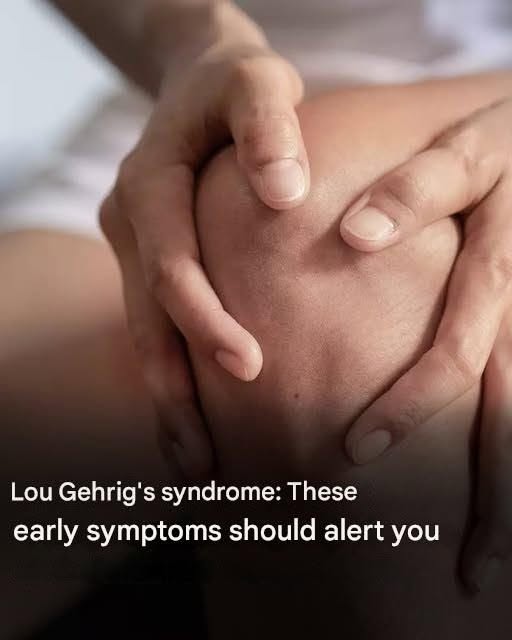
Lou Gehrig’s Disease (ALS): Early Symptoms to KnowAmyotrophic lateral sclerosis (ALS), often called Lou Gehrig’s disease after the famous baseball player who was diagnosed with it, is a progressive neurological condition that affects nerve cells responsible for controlling voluntary muscles.Early symptoms can be subtle and may vary from person to person. Recognizing possible warning signs can help people seek medical evaluation sooner.
Common Early Symptoms of ALS
1. Muscle Weakness
- Weakness in a hand, arm, leg, or foot
- Trouble with tasks like buttoning clothes, gripping objects, or walking
- Dropping things more often than usual
2. Muscle Twitching (Fasciculations)
- Small, involuntary muscle movements under the skin
- Often noticed in the arms, legs, shoulders, or tongue
3. Muscle Cramps and Stiffness
- Frequent cramps
- Tightness or stiffness in muscles
- Difficulty moving smoothly
4. Changes in Speech
- Slurred speech
- A softer or more nasal voice
- Trouble pronouncing certain words
5. Difficulty Swallowing
- Coughing or choking while eating or drinking
- Feeling like food is sticking
- Longer mealtimes
6. Tripping or Balance Problems
- Increased falls
- Foot weakness or “foot drop”
- Trouble climbing stairs
7. Loss of Fine Motor Skills
- Difficulty writing
- Trouble using a phone, keys, or small objects
- Reduced hand coordination
When to Seek Medical Advice
Symptoms like weakness, persistent muscle twitching, or changes in speech and swallowing should be discussed with a healthcare professional—especially if they are worsening over time.
Important: Many of these symptoms can also occur with other, more common and often treatable conditions. Having one symptom does not mean someone has ALS. Diagnosis usually requires a neurological evaluation and specialized testing.
If you notice sudden weakness on one side of the body, sudden trouble speaking, or sudden loss of coordination, seek emergency medical care, as those can be signs of a stroke rather than ALS.