Healthy Aging Guide: 5 Daily Habits That Can Quietly Harm Longevity After 60 (And How to Fix Them)
🧓 Understanding Aging and Longevity (The Reality Behind the Headlines)
Aging is influenced by a combination of genetics, environment, and long-term lifestyle choices. While many people live well into their 80s and beyond, the goal is not just lifespan—but healthspan, meaning how many of those years are lived in good physical and mental condition.
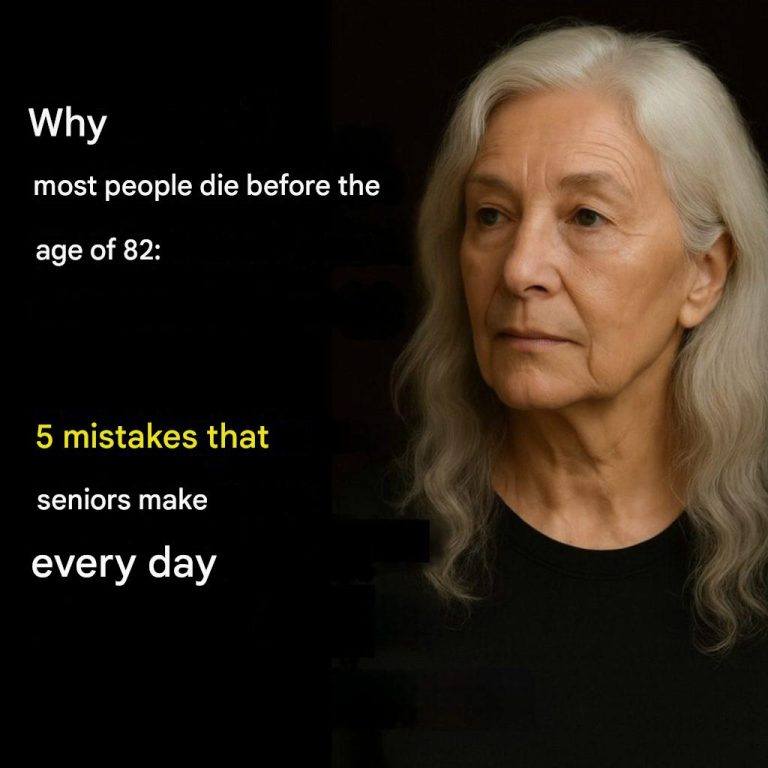
The idea that most people die before a specific age due to “five mistakes” is scientifically inaccurate. However, certain everyday habits can increase the risk of chronic illness over time.
🪑 1. Sitting Too Much Every Day
A sedentary lifestyle is one of the most common silent health risks in older adults.
Long periods of sitting can:
- Reduce circulation
- Weaken muscles and joints
- Increase risk of heart disease
- Contribute to stiffness and balance issues
✔️ Better habit:
Light movement every 30–60 minutes, short walks, and gentle stretching can significantly improve mobility and cardiovascular health.
🍞 2. Poor Nutrition Over Time
Many older adults unintentionally eat:
- Too much processed food
- Too little protein
- Insufficient fiber and vitamins
This can contribute to:
- Weak immunity
- Muscle loss (sarcopenia)
- Digestive issues
- Energy decline
✔️ Better habit:
Balanced meals with vegetables, lean protein, whole grains, and healthy fats support long-term vitality.
🧠 3. Ignoring Mental Stimulation
Brain health is just as important as physical health.
A lack of mental activity can accelerate:
- Memory decline
- Cognitive slowdown
- Reduced focus and problem-solving ability
✔️ Better habit:
Reading, learning new skills, social interaction, puzzles, or hobbies help maintain cognitive strength.
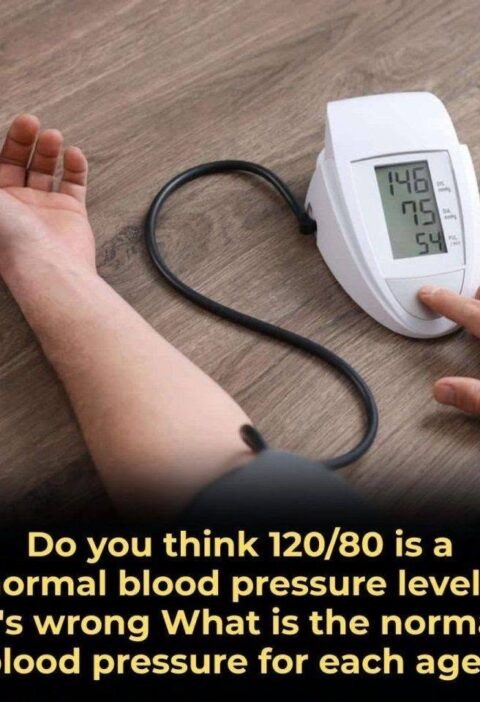
❤️ 4. Not Managing Blood Pressure, Sugar, or Cholesterol
Many chronic conditions develop silently over years.
Uncontrolled:
- Blood pressure
- Blood sugar
- Cholesterol
can increase risk of:
- Heart disease
- Stroke
- Kidney problems
✔️ Better habit:
Regular checkups and consistent management can dramatically reduce complications.
🌙 5. Poor Sleep Patterns
Sleep quality often declines with age, but chronic poor sleep can:
- Increase inflammation
- Affect memory
- Weaken immunity
- Worsen mood disorders
✔️ Better habit:
Consistent sleep schedule, reduced late caffeine, and calming bedtime routines help improve sleep quality.
🏁 Final Reality Check
The idea that a few “hidden daily mistakes” determine life expectancy is not scientifically valid. However, long-term habits do strongly influence how healthy and active someone remains in later life.
Small improvements in movement, diet, sleep, and mental engagement can significantly increase quality of life in older age.