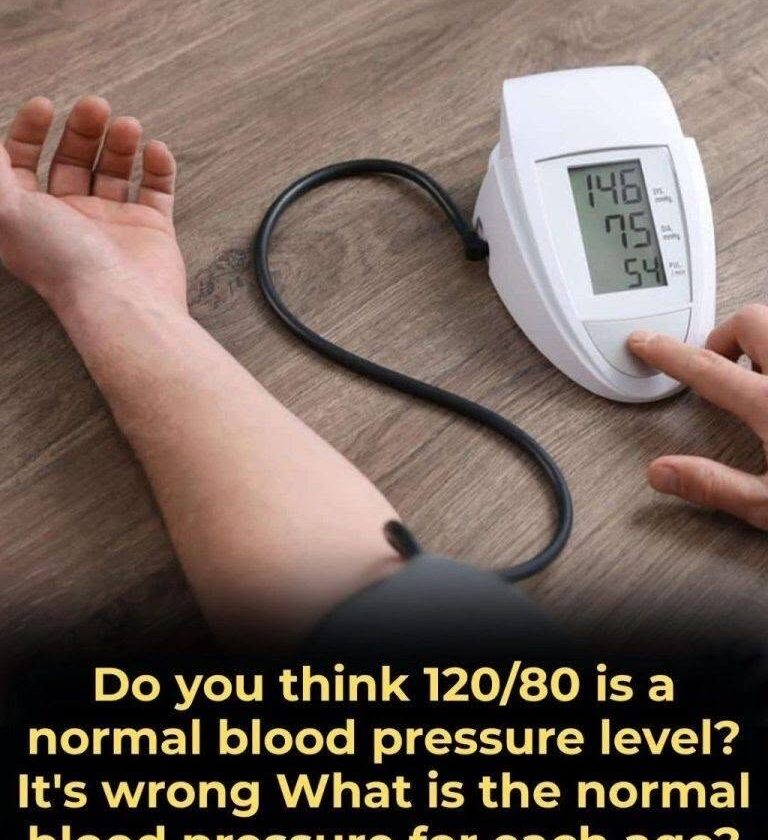
What Is Normal Blood Pressure for Your Age? A Clear, Updated Guide
Blood pressure is measured with two numbers:
- Systolic pressure (top number): the pressure when your heart beats.
- Diastolic pressure (bottom number): the pressure when your heart relaxes between beats.
For most adults, a normal blood pressure is around 120/80 mmHg or lower. However, “normal” can vary depending on age, health conditions, medications, and individual risk factors.
General adult blood pressure ranges
| Category | Systolic (top) | Diastolic (bottom) |
|---|---|---|
| Normal | Less than 120 | Less than 80 |
| Elevated | 120–129 | Less than 80 |
| High blood pressure (Stage 1) | 130–139 | 80–89 |
| High blood pressure (Stage 2) | 140 or higher | 90 or higher |
| Hypertensive crisis (urgent) | 180 or higher | 120 or higher |
Typical ranges by age (general guide)
| Age group | Common healthy range (approx.) |
|---|---|
| Children & teens | Varies widely by age, height, and sex |
| 18–39 years | About 110–130 / 70–80 mmHg |
| 40–59 years | About 120–135 / 70–85 mmHg |
| 60+ years | Often around 120–140 / 70–90 mmHg (individual targets vary) |
Important points
- Blood pressure usually rises with age, partly because blood vessels become less flexible.
- A single high reading does not always mean you have high blood pressure; repeated measurements are usually needed.
- Home monitoring can help identify your usual levels.
- Lifestyle factors such as salt intake, exercise, weight, sleep, stress, and alcohol intake can affect blood pressure.
When to seek medical advice
- Repeated readings of 140/90 mmHg or higher should be discussed with a healthcare professional.
- A reading of 180/120 mmHg or higher, especially with symptoms like chest pain, shortness of breath, weakness, confusion, or severe headache, requires urgent medical attention.
If you tell me your age, blood pressure reading (for example 128/82), and whether it was measured at home or in a clinic, I can help interpret it.