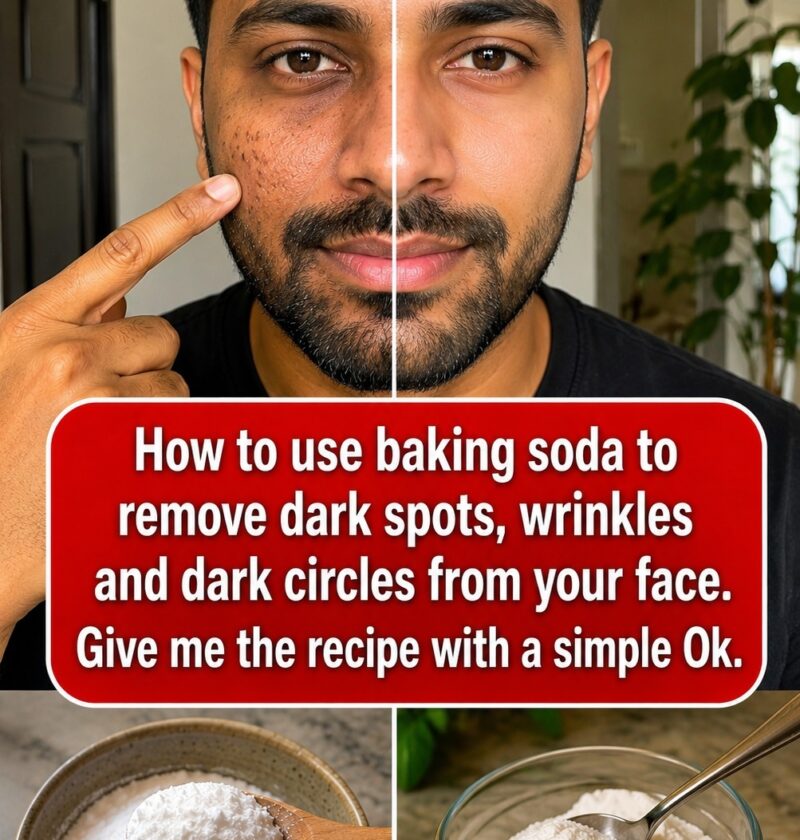
Baking soda (sodium bicarbonate) is sometimes used as a DIY skincare ingredient, but dermatologists generally advise caution. While it may offer a few potential benefits, it also carries significant risks for facial skin.
Potential Benefits
- Exfoliation: Its fine particles can help remove dead skin cells, leaving skin feeling smoother.
- Oil reduction: Baking soda may temporarily absorb excess oil from the skin’s surface.
- Cleaning effect: Some people use it in homemade cleansers or masks because of its mild abrasive properties.
Risks and Drawbacks
- Disrupts skin pH: Healthy skin is naturally slightly acidic (around pH 4.5–5.5). Baking soda is alkaline (pH about 8–9), which can disrupt the skin barrier.
- Dryness and irritation: Frequent use may cause redness, itching, tightness, and flaking.
- Increased sensitivity: A weakened skin barrier can make skin more sensitive to environmental irritants.
- May worsen some skin conditions: People with eczema, rosacea, or sensitive skin may experience flare-ups.
If You Choose to Use It
Although many skincare experts recommend gentler alternatives, if you decide to try baking soda:
- Mix a small amount with water to form a paste.
- Apply gently—do not scrub aggressively.
- Leave on for only a short time (about 30–60 seconds).
- Rinse thoroughly with lukewarm water.
- Apply a moisturizer afterward.
- Limit use to occasional rather than regular application.
Patch Test First
Before applying it to your face, test a small amount on an inconspicuous area of skin (such as along the jawline) and wait 24 hours to check for irritation.
Better Alternatives
For exfoliation and acne-prone skin, products containing:
- Salicylic Acid
- Lactic Acid
- Glycolic Acid
are generally more predictable and skin-friendly when used as directed.
If you tell me your skin type (oily, dry, combination, sensitive, acne-prone, etc.), I can suggest safer