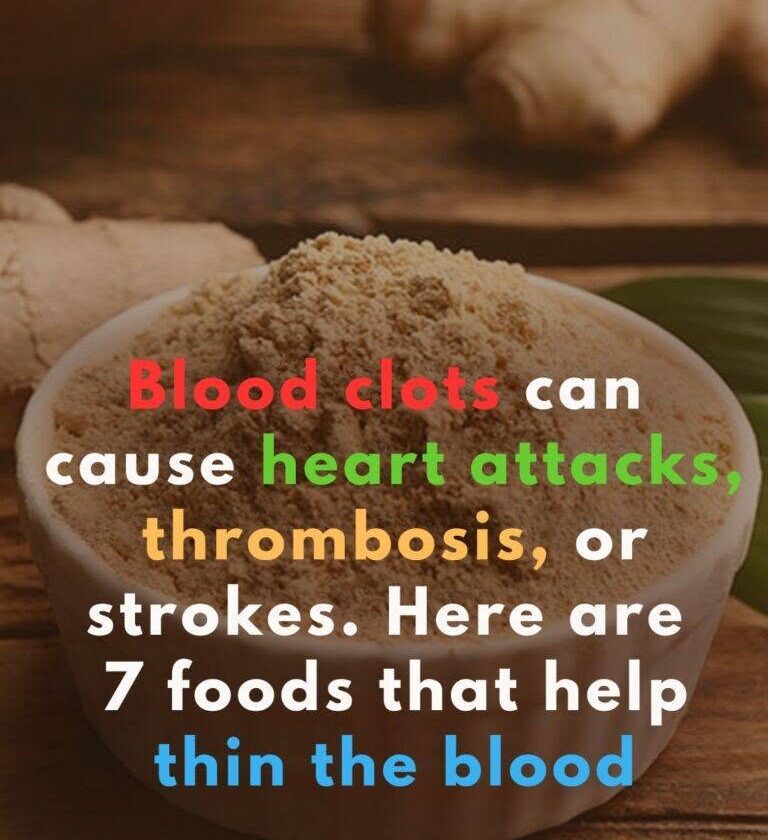
If you mean foods that may support healthy blood flow or have mild natural “blood-thinning” effects, here are 7 commonly discussed options. They do not replace prescribed blood thinners and their effects are usually much weaker than medications.
1. Garlic
Garlic contains compounds such as allicin that may help reduce platelet aggregation (the tendency of blood cells to clump) and support cardiovascular health.
2. Ginger
Ginger has natural compounds that may have anti-inflammatory and antiplatelet effects. Large amounts may increase bleeding risk, especially with blood-thinning medicines.
3. Turmeric
The active compound curcumin in turmeric has anti-inflammatory properties and may influence blood clotting pathways.
4. Fatty fish (salmon, sardines, mackerel)
Rich in omega-3 fatty acids, which may help reduce platelet clumping and support heart health.
5. Berries (blueberries, strawberries, raspberries)
Berries contain flavonoids and antioxidants that support blood vessel function and circulation.
6. Leafy green vegetables
Foods like spinach, kale, and Swiss chard support cardiovascular health. However, they are high in vitamin K, which can affect how some blood thinners (especially warfarin) work—consistency in intake matters.
7. Cinnamon
Cinnamon contains compounds that may influence inflammation and clotting, though evidence for a strong blood-thinning effect in humans is limited.
Important: If you take medications such as warfarin, apixaban, rivaroxaban, aspirin, or clopidogrel—or you have a bleeding disorder, surgery planned, or frequent bruising—check with a healthcare professional before significantly increasing these foods or supplements.
For general heart health, the strongest evidence still supports an overall pattern: plenty of vegetables, fruits, whole grains, fish, nuts, and limiting smoking and excess processed foods.