What is true is that certain habits can slow kidney damage and reduce the risk of progression—sometimes significantly.
Here are 10 evidence-based things that help protect kidney function:
1. Control blood pressure strictly
High blood pressure is a leading cause of kidney failure. Keeping it in a healthy range reduces kidney strain.
2. Manage blood sugar (if diabetic)
Poorly controlled diabetes can damage kidney filters over time. Stable glucose control is essential.
3. Reduce salt (sodium) intake
Too much salt increases blood pressure and fluid retention, both harmful to kidneys.
4. Stay well hydrated (but not excessive)
Adequate water helps kidneys filter waste, but extreme fluid intake is not beneficial for everyone.
5. Avoid unnecessary painkillers
Frequent use of NSAIDs (like ibuprofen) can damage kidney function, especially in long-term use.
6. Eat a kidney-friendly diet
A balanced diet may include:
- Controlled protein intake (depending on stage of CKD)
- More fruits and vegetables (as advised by doctor)
- Less processed food
7. Exercise regularly
Physical activity improves blood pressure, blood sugar, and overall kidney health.
8. Maintain a healthy weight
Obesity increases risk of diabetes and hypertension, both major kidney disease drivers.
9. Avoid smoking and limit alcohol
Smoking reduces blood flow to kidneys and worsens disease progression.
10. Get regular kidney function tests
Early detection is key. Blood tests (creatinine, eGFR) and urine tests help track kidney health.
Important medical truth
Some kidney conditions can still progress even with perfect lifestyle habits. That’s why:
- Early diagnosis
- Proper medication
- Specialist care (nephrologist follow-up)
are often essential.
Warning signs that need medical attention
- Swelling in feet/face
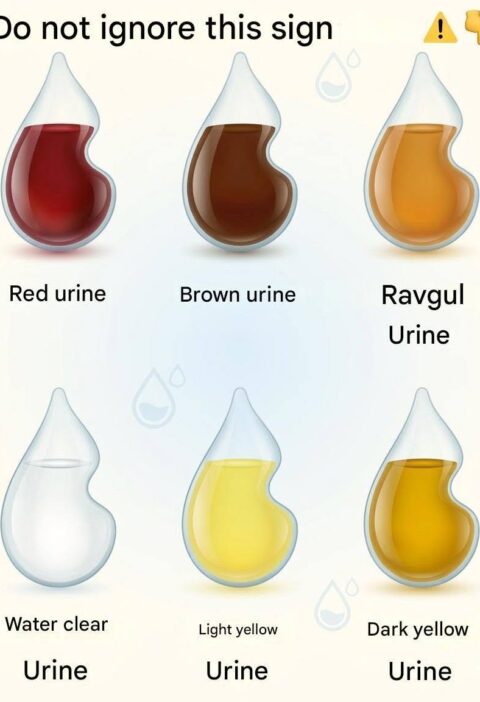
- Foamy urine
- Fatigue
- Changes in urination
- High blood pressure that is hard to control
Bottom line
These 10 steps support kidney health and slow disease progression, but they do not guarantee prevention of kidney failure in every case. Kidney disease management is highly individual and should be guided by a healthcare professional.
If you want, I can turn this into a simple daily kidney-protection routine or diet chart tailored for CKD stages.
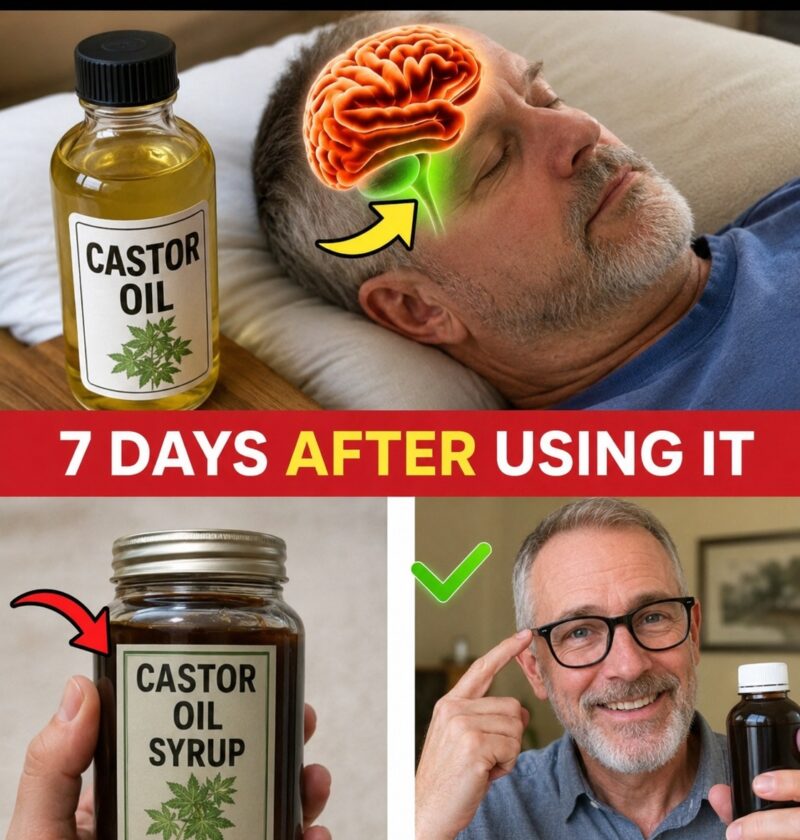
Claims like “what happens after 7 days of castor oil use after age 50” are usually overstated and not strongly supported by medical evidence. Castor oil does have some known uses, but many popular “viral” benefits are not proven in clinical research.
Here’s what’s actually known.
What castor oil can do (real, evidence-based uses)
1. Relieves constipation (short-term use)
Castor oil can act as a stimulant laxative.
- It increases intestinal movement
- Works relatively quickly (often within hours)
However:
- It is not meant for daily or long-term use
- Overuse can cause cramping and dehydration
2. Skin moisturizing (topical use)
When applied externally, castor oil may:
- Help reduce dryness
- Support skin barrier hydration
- Soften rough patches
But:
- It is thick and can clog pores in some people
- May irritate sensitive skin
3. Temporary relief for dry scalp or hair conditioning
Some people use it for:
- Dry scalp
- Hair shine
Evidence is limited, and results vary.
What castor oil does NOT do (common myths)
There is no strong scientific evidence that castor oil:
- “Detoxes” the liver or body
- Removes toxins from organs
- Reverses aging effects after 50
- Permanently improves digestion or gut health
- Treats arthritis or joint disease long-term
Possible side effects (important after age 50)
Older adults should be especially cautious:
- Diarrhea and dehydration
- Abdominal cramping
- Electrolyte imbalance (if overused)
- Skin irritation (if applied topically)
- Interaction with certain medications (if used internally)
Why “7-day miracle results” claims are misleading
Short videos or posts often exaggerate results because:
- Effects like bowel movement happen quickly and look dramatic
- Temporary skin softness is mistaken for long-term improvement
- Natural oils are marketed as “detox solutions” without clinical proof
Safer, proven alternatives (depending on goal)
- For constipation: dietary fiber + hydration + exercise
- For skin dryness: ceramide-based moisturizers
- For joint pain: physiotherapy + anti-inflammatory guidance from a doctor