
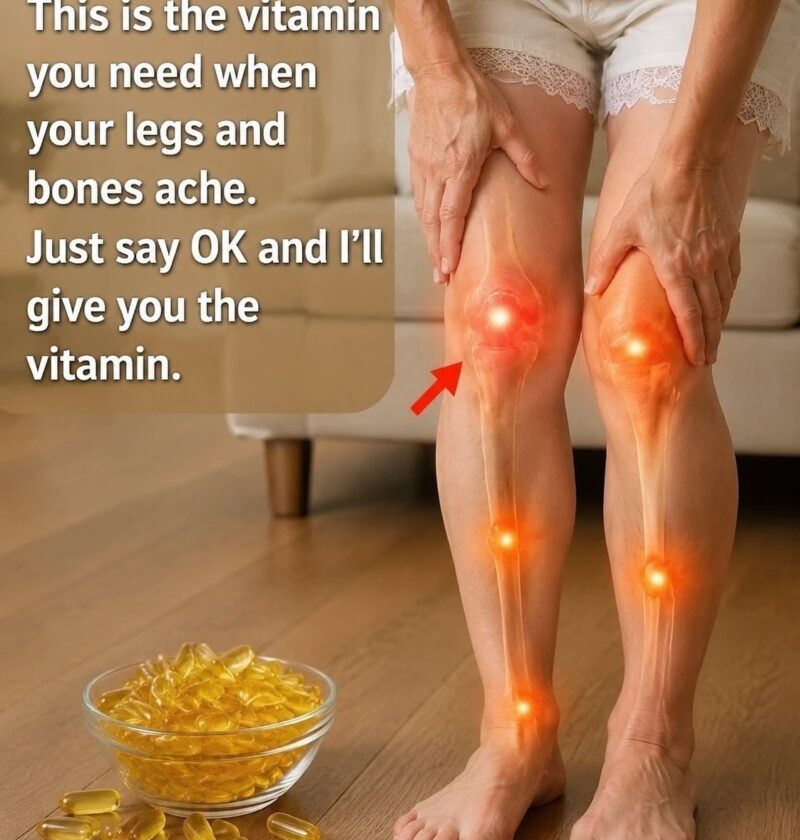
Leg and bone pain is one of the most common complaints among adults, especially as they get older. Many people immediately assume they are lacking a specific nutrient, and one vitamin is often mentioned more than any other: Vitamin D.
But is it really the only reason your legs and bones ache? And can a vitamin alone fix the problem?
The answer is more complex—and more interesting—than most people realize.
Why leg and bone pain becomes more common with age
As we grow older, our bones, muscles, and joints naturally go through changes. Cartilage becomes thinner, muscles lose strength, and bone density can gradually decrease. These changes can lead to stiffness, soreness, and persistent aches.
However, not all pain is age-related. In many cases, lifestyle, nutrition, and medical conditions play a major role.
Vitamin D: the most important nutrient for bone and muscle health
Vitamin D is often called the “sunshine vitamin” because your body produces it when your skin is exposed to sunlight.
Its main roles include:
- Helping the body absorb calcium
- Supporting strong bones
- Maintaining muscle strength
- Reducing inflammation in some cases
When vitamin D levels are low, the body struggles to maintain proper bone structure and muscle function.
Signs that may be linked to vitamin D deficiency:
- Deep, dull bone aches (often in legs, hips, or lower back)
- Muscle weakness or heaviness
- Fatigue and low energy
- Increased risk of fractures over time
Severe deficiency can lead to Osteomalacia, a condition where bones become weak and painful.
Other vitamins and minerals that matter for bone pain
While vitamin D is important, it is not the only nutrient involved in bone health.
Calcium
Calcium is the main building block of bones. Without enough calcium, bones can become weak and fragile over time.
Magnesium
Magnesium helps muscles relax and supports proper nerve function. Low levels can contribute to cramps and muscle pain.
Vitamin K
Vitamin K helps direct calcium into the bones where it is needed, instead of allowing it to build up in soft tissues.
A deficiency in any of these nutrients can contribute to discomfort in the legs and bones.
When pain is NOT caused by vitamins
Many people assume supplements will solve all bone and leg pain, but that is not always true. In fact, several medical conditions can cause similar symptoms.
1. Osteoarthritis
This is one of the most common causes of joint pain. It occurs when cartilage wears down over time, leading to stiffness and discomfort.
2. Sciatica
This condition causes pain that can travel from the lower back down into the legs, often sharp or burning in nature.
3. Poor circulation
Reduced blood flow to the legs can cause aching, heaviness, or cramping, especially after walking or standing.
4. Muscle overuse
Excess activity, exercise, or standing for long periods can lead to temporary soreness.
Natural ways to support bone and leg health
Instead of relying on a single vitamin, a balanced approach works best.
Get regular sunlight
Sun exposure helps the body naturally produce vitamin D.
Eat a nutrient-rich diet
Include foods like:
- Fatty fish (salmon, mackerel)
- Eggs
- Leafy greens
- Dairy products or fortified alternatives
- Nuts and seeds
Stay active
Weight-bearing exercises like walking help strengthen bones and muscles.
Maintain hydration
Proper hydration supports muscle function and reduces cramping.
When you should see a doctor
You should seek medical advice if you experience:
- Persistent or worsening pain
- Swelling in joints or legs
- Difficulty walking
- Numbness or tingling
- Pain lasting more than a few weeks
A simple blood test can determine if you have a vitamin deficiency or another underlying condition.
Final thoughts
While Vitamin D plays a key role in bone and muscle health, it is not a magic cure for all leg and bone pain. Discomfort in these areas can come from many causes, including nutrient deficiencies, joint wear and tear, nerve issues, and lifestyle factors.