Understanding Piriformis Syndrome
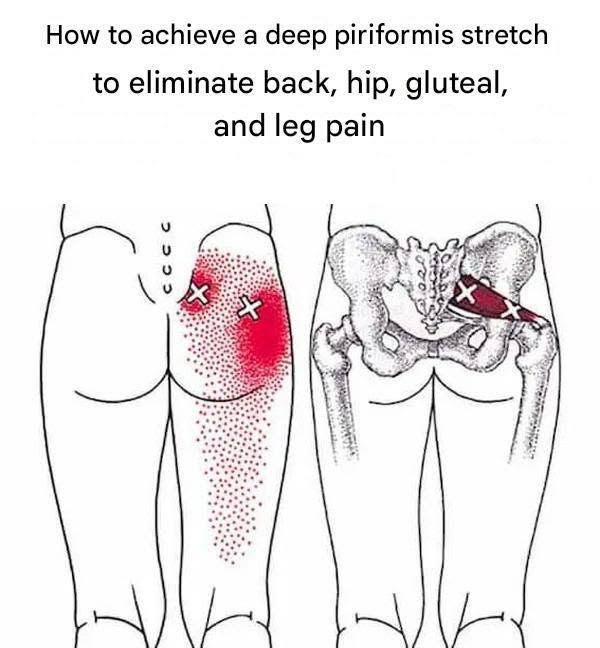
Piriformis syndrome is a neuromuscular condition where the piriformis muscle, located deep in the buttock region, becomes tight, inflamed, or irritated. This muscle plays an important role in stabilizing the hip joint and assisting with leg movement.
When the piriformis muscle tightens excessively, it can irritate or compress the sciatic nerve, which runs close to or through it. This can lead to pain that radiates through the buttock and down the back of the leg, often mimicking sciatica.
Common Symptoms of Piriformis Syndrome
People with this condition may experience:
- deep pain in the buttock area
- sharp or burning pain down the leg
- tingling or numbness in the leg or foot
- increased pain after sitting for long periods
- discomfort when climbing stairs or running
Symptoms may vary from mild discomfort to significant pain affecting daily movement.
Causes of Piriformis Syndrome
Several factors can contribute to tightness or irritation of the piriformis muscle:
1. Prolonged Sitting
Long hours of sitting (office work, driving) can tighten the muscle.
2. Overuse or Exercise Strain
Running, cycling, or repetitive lower-body movements may overload the muscle.
3. Poor Posture
Misalignment of the pelvis or spine can increase muscle tension.
4. Muscle Imbalances
Weak glutes or tight hip muscles can force the piriformis to overcompensate.
5. Injury or Trauma
Direct impact on the buttock area can trigger inflammation.
Why Stretching Helps Piriformis Syndrome
Stretching helps:
- reduce muscle tightness
- improve blood flow
- relieve pressure on the sciatic nerve
- restore hip mobility
- reduce pain over time
Consistency is key—gentle daily stretching is more effective than occasional intense stretching.
Best Piriformis Stretches for Relief
1. Supine Piriformis Stretch (Lying Figure-4 Stretch)
This is one of the most effective and gentle stretches.
How to do it:
- Lie on your back
- Bend both knees
- Place your right ankle over your left knee
- Gently pull the left thigh toward your chest
- Hold for 20–30 seconds
- Switch sides
Benefits:
- targets deep glute muscles
- reduces sciatic pressure