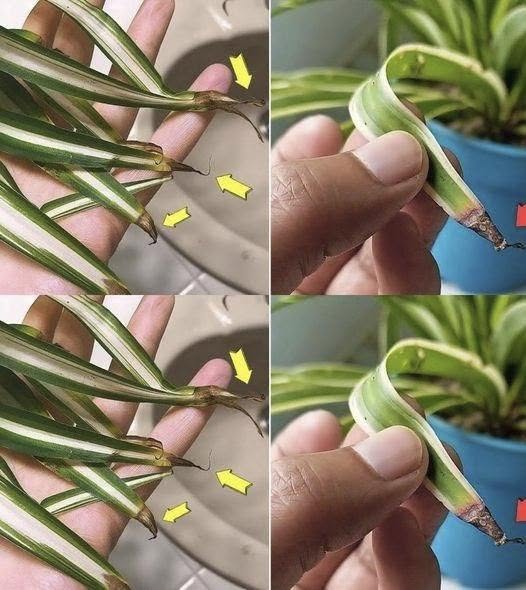
The tips of herbaceous plants (such as basil, mint, parsley, peace lilies, spider plants, and many houseplants) can turn brown for several reasons. The most common causes are related to water, humidity, nutrients, or environmental stress.
1. Underwatering
When a plant doesn’t receive enough water, the leaf tips are often the first parts to dry out and turn brown.
Signs:
- Dry soil
- Crispy brown leaf tips
- Wilting leaves
Solution:
- Water consistently according to the plant’s needs.
- Check soil moisture before watering.
2. Low Humidity
Many herbaceous plants prefer moderate to high humidity. Dry indoor air can cause leaf-tip browning.
Signs:
- Brown, dry tips while the rest of the leaf remains green
- Common during winter when heating systems are running
Solution:
- Increase humidity with a humidifier.
- Group plants together.
- Place a tray of water and pebbles near the plant.
3. Excess Fertilizer or Salt Buildup
Too much fertilizer can cause salts to accumulate in the soil, burning the roots and leaf tips.
Signs:
- Brown tips appearing shortly after fertilizing
- White crust on the soil surface
Solution:
- Flush the soil thoroughly with water.
- Reduce fertilizer frequency.
- Follow recommended application rates.
4. Poor Water Quality
Some plants are sensitive to chemicals and minerals found in tap water, such as fluoride or chlorine.
Signs:
- Gradual browning of leaf edges and tips
- Otherwise healthy-looking plant
Solution:
- Use filtered, distilled, or rainwater if possible.
- Let tap water sit for 24 hours before use.
5. Overwatering and Root Problems
Too much water can damage roots, preventing them from absorbing nutrients and moisture properly.
Signs:
- Yellowing leaves
- Soggy soil
- Brown tips combined with drooping
Solution:
- Ensure good drainage.
- Allow the soil to partially dry between waterings if appropriate for the species.
6. Excess Sunlight or Heat
Some herbaceous plants can suffer from leaf scorch when exposed to intense sunlight or heat.
Signs:
- Brown tips and edges
- Bleached or faded leaves
Solution:
- Move the plant to a location with indirect light if needed.
- Protect outdoor plants during extreme heat.
7. Nutrient Deficiencies
Deficiencies in nutrients such as potassium can sometimes cause browning at leaf margins and tips.
Signs:
- Slow growth
- Discolored leaves
- Browning progressing from the edges inward
Solution:
- Use a balanced fertilizer appropriate for the plant.
- Consider a soil test for persistent problems.
How to Identify the Exact Cause
Ask yourself:
- Is the soil too dry or too wet?
- Has the plant been fertilized recently?
- Is the air unusually dry?
- Has the plant been exposed to strong sunlight or heat?
- What type of water are you using?