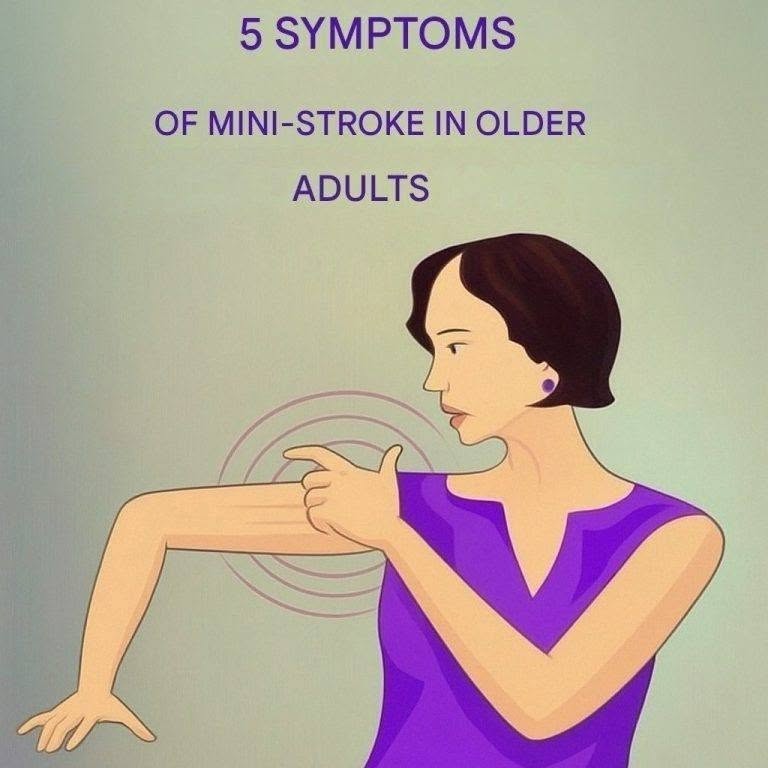
A mini stroke, medically known as a Transient Ischemic Attack (TIA), is often described as a temporary interruption of blood flow to part of the brain. Although the symptoms may disappear within minutes or hours, a TIA should never be dismissed as harmless. In many cases, it serves as a warning sign that a more serious stroke could occur in the future.
Older adults are at a higher risk of both TIAs and strokes due to age-related changes in blood vessels and the increased likelihood of conditions such as high blood pressure, diabetes, and heart disease. Recognizing the warning signs early and seeking immediate medical attention can significantly improve outcomes and reduce the risk of future complications.
Understanding the symptoms of a mini stroke may help seniors and their loved ones respond quickly when every minute counts.
What Is a Mini Stroke?
A Transient Ischemic Attack occurs when blood flow to a part of the brain is temporarily blocked. Unlike a major stroke, the blockage resolves before permanent brain damage occurs.
However, a TIA is considered a medical emergency because it may indicate:
- An increased risk of a future stroke
- Underlying cardiovascular disease
- Blood vessel narrowing or blockage
- Heart rhythm abnormalities
Even if symptoms disappear completely, medical evaluation is essential.
1. Sudden Weakness or Numbness on One Side of the Body
One of the most common signs of a mini stroke is sudden weakness or numbness affecting one side of the body.
This may involve:
- The face
- An arm
- A leg
- An entire side of the body
A person may notice difficulty lifting an arm, gripping objects, or maintaining balance.
Facial drooping, especially on one side, is another important warning sign.
Because these symptoms can come on suddenly and disappear quickly, they are sometimes ignored. However, they should always be treated as a potential medical emergency.
2. Difficulty Speaking or Understanding Speech
A TIA can temporarily affect areas of the brain responsible for language.
Warning signs may include:
- Slurred speech
- Difficulty finding words
- Trouble forming sentences
- Speaking incoherently
- Difficulty understanding others
Family members are often the first to notice changes in speech patterns.
Even if communication abilities return to normal after a short period, prompt medical assessment remains critical.
3. Sudden Vision Changes
Changes in vision can occur when blood flow is temporarily reduced to parts of the brain involved in visual processing.
Symptoms may include:
- Blurred vision
- Double vision
- Sudden loss of vision in one eye
- Temporary blindness
- Difficulty focusing
Some individuals describe vision changes as a curtain briefly descending over one eye.
Any sudden visual disturbance should be evaluated immediately.
4. Dizziness, Loss of Balance, or Coordination Problems
A mini stroke may affect areas of the brain that control movement and coordination.
Possible symptoms include:
- Sudden dizziness
- Unsteadiness while walking
- Loss of balance
- Difficulty coordinating movements
- Increased risk of falling
These symptoms can sometimes be mistaken for normal aging, fatigue, or inner ear problems, but they may also signal a TIA.
Medical evaluation can help determine the cause.
5. Sudden Severe Headache
Although not always present, a sudden and unusual headache can occasionally occur during a mini stroke.
Warning signs include:
- A headache that develops rapidly
- Pain that feels different from previous headaches
- Headache accompanied by neurological symptoms
- Confusion or disorientation
A severe headache, particularly when combined with other stroke symptoms, requires urgent medical attention.
The FAST Method: A Helpful Stroke Warning Tool
Healthcare professionals often recommend remembering the FAST acronym:
F — Face Drooping
Ask the person to smile. Does one side of the face droop?
A — Arm Weakness
Ask the person to raise both arms. Does one arm drift downward?
S — Speech Difficulty
Is speech slurred or difficult to understand?
T — Time to Call Emergency Services
If any of these symptoms are present, seek emergency medical assistance immediately.
Prompt action can save lives and reduce disability.
Risk Factors for Mini Stroke and Stroke
Several factors increase the likelihood of experiencing a TIA or stroke.
Common risk factors include:
- High blood pressure
- Diabetes
- High cholesterol
- Smoking
- Obesity
- Physical inactivity
- Heart disease
- Atrial fibrillation
- Advanced age
Managing these risk factors may help reduce future stroke risk.
Why You Should Never Ignore a TIA
Many people mistakenly believe that symptoms disappearing means the danger has passed.
In reality:
- A TIA is often a warning sign.
- The risk of a major stroke is highest shortly after a TIA.
- Early treatment may reduce the likelihood of future events.
Healthcare providers can identify underlying causes and recommend preventive strategies.
How Doctors Evaluate a Mini Stroke
Medical evaluation may include:
- Physical examination
- Neurological assessment
- Blood tests
- Brain imaging
- Heart monitoring
- Blood vessel imaging
These tests help determine the cause of symptoms and guide treatment decisions.
Prevention Strategies
Although not all strokes can be prevented, healthy lifestyle habits can support cardiovascular and brain health.
Helpful measures include:
- Controlling blood pressure
- Managing diabetes
- Maintaining healthy cholesterol levels
- Staying physically active
- Eating a balanced diet
- Avoiding smoking
- Limiting excessive alcohol consumption
- Following prescribed medical treatments
Regular medical checkups are especially important for older adults.
Final Thoughts
A mini stroke, or Transient Ischemic Attack, should always be taken seriously. Symptoms such as one-sided weakness, speech difficulties, sudden vision changes, balance problems, and severe headaches may appear briefly but can signal a much greater risk ahead.
Recognizing these warning signs and seeking immediate medical care can help prevent a future stroke and potentially save a life. If you or someone you know experiences any of these symptoms, do not wait for them to go away—prompt medical attention is essential.