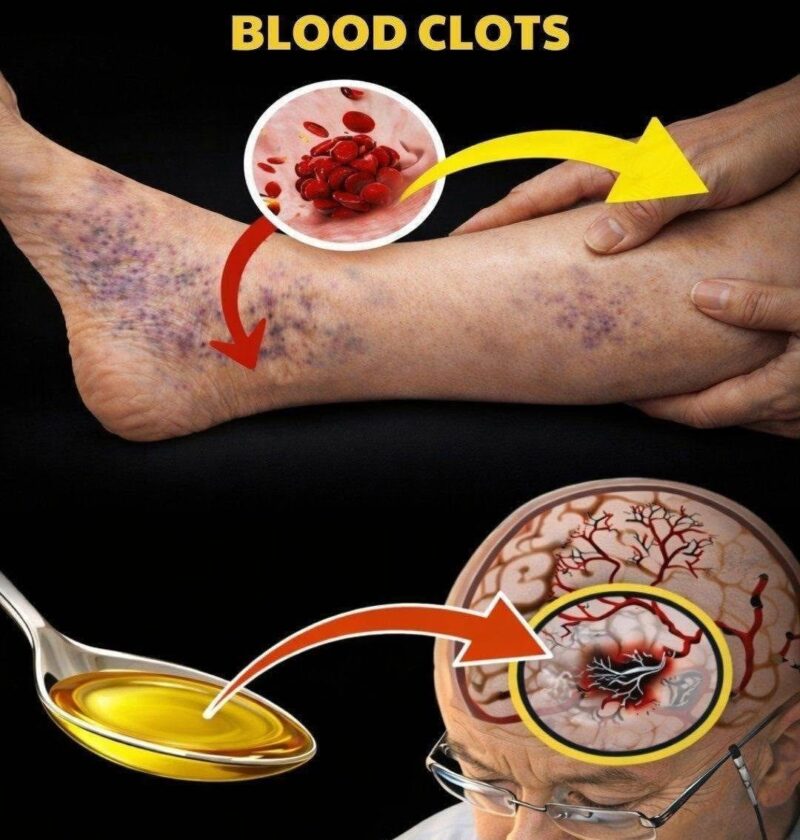
That headline is misleading.
No fruit can “manage blood clots” or control clotting in the way medicine does. Blood clotting is regulated by your platelets, liver-produced clotting factors, and sometimes prescription medications. Fruits can only support general heart and blood vessel health, not directly control clot formation.
🧠 First, what “blood clot management” actually means
Your body naturally balances:
- Clotting (to stop bleeding)
- Anti-clotting (to prevent unwanted blockages)
This balance can be affected by conditions like:
- Heart disease
- Diabetes
- Dehydration
- Certain medications (like blood thinners)
🍓 Fruits that support cardiovascular health (not “clot control”)
🫐 Blueberries
- Rich in flavonoids
- Support blood vessel function and reduce inflammation
🍎 Apple
- Contains fiber (pectin) that supports heart health
- May help cholesterol levels
🍇 Grapes
- Contain resveratrol (especially red/purple grapes)
- Associated with vascular health benefits
🍊 Orange
- Vitamin C and flavonoids support blood vessel integrity
🥝 Kiwi
- Contains vitamin C and potassium
- May support healthy blood pressure
🍍 Pineapple
- Contains bromelain (studied for anti-inflammatory effects)
🍉 Watermelon
- Contains citrulline, which may support blood flow
🍓 Strawberries
- High in antioxidants that support vascular function
⚠️ Important reality check
These fruits:
- Do NOT thin blood like medication
- Do NOT dissolve or prevent clots directly
- Do NOT replace anticoagulants like aspirin or warfarin
🚨 When clotting is a real concern
Medical conditions like:
- Deep vein thrombosis
- Stroke risk
- Atrial fibrillation
require proper medical treatment, not dietary changes alone.
🧠 Bottom line
Fruits can support heart and blood vessel health, but they do not “manage blood clots.” That phrase is marketing language, not medical science.
If you want, I can also explain which foods and supplements actually interact with blood thinners (like warfarin)—that’s where diet really does matter clinically.