Understanding Colonoscopy and Its Role in Digestive Health
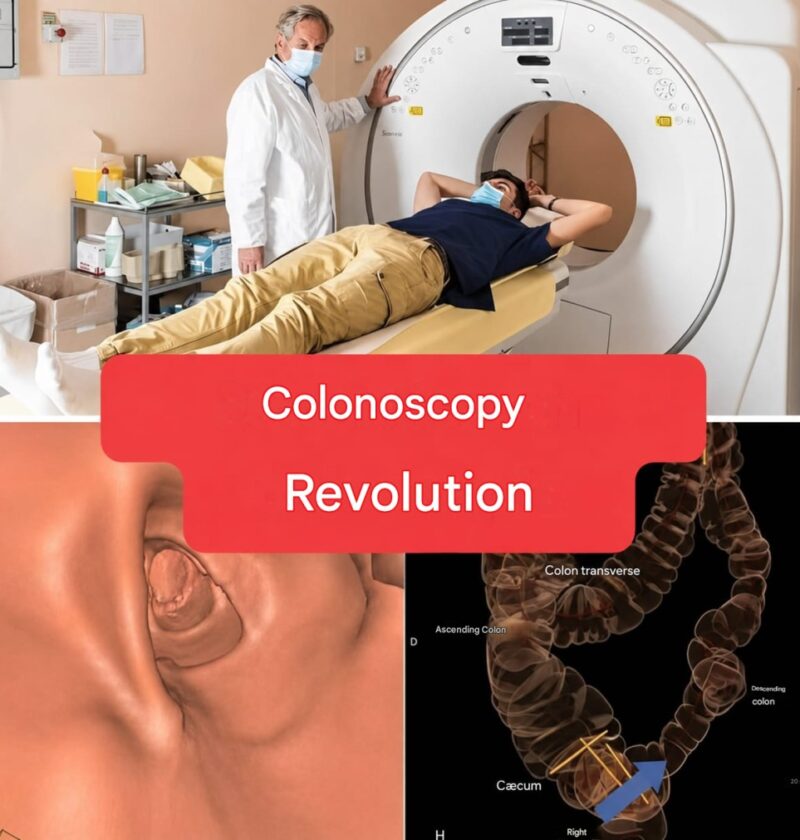
A colonoscopy is a medical diagnostic procedure used to examine the inside of the large intestine, also known as the colon. It is performed using a flexible instrument called an endoscope, which is equipped with a small camera and light at its tip. This allows doctors to visually inspect the inner lining of the colon in real time.
The primary purpose of this examination is to identify abnormalities within the colon walls. These may include inflammation, ulcers, structural blockages, lesions, or abnormal growths such as polyps. Among these findings, the detection of early tumor formations is one of the most critical aspects of the procedure.
Colonoscopy plays a vital role in preventive healthcare and gastrointestinal screening. It is widely recognized as one of the most effective tools for the early detection of colorectal cancer. By identifying changes in the colon at an early stage, healthcare providers can take action before conditions become more serious or life-threatening.
Why Colonoscopy Is Important for Early Detection and Prevention
One of the most significant advantages of a colonoscopy is its ability to detect health problems before symptoms become severe. Many conditions affecting the colon develop slowly and may not show obvious warning signs in the early stages. This makes regular screening an essential part of long-term health monitoring, especially for individuals with risk factors.
During the procedure, doctors can identify and assess small abnormal growths, often referred to as polyps. In many cases, these polyps are benign at first but have the potential to develop into cancer over time if left untreated. The ability to locate and remove these growths early is a key factor in preventing disease progression.
This makes colonoscopy not only a diagnostic tool but also a preventive intervention. In some cases, doctors can remove small polyps during the same procedure, reducing the risk of future complications.
Colon Cancer Screening and Risk Reduction
Colorectal cancer is one of the most common types of cancer worldwide, but it is also one of the most preventable when detected early. Colonoscopy is considered the gold standard for colon cancer screening because it allows direct visualization of the intestinal lining.
This screening method is particularly recommended for individuals who are at higher risk, such as those with:
- A family history of colorectal cancer
- A personal history of polyps or inflammatory bowel disease
- Age-related risk factors, typically beginning screening after mid-adulthood
- Lifestyle-related risks such as low-fiber diets or sedentary habits
Even for people without symptoms, routine screening can significantly reduce the likelihood of advanced disease by identifying early-stage abnormalities.
How the Procedure Works in Simple Terms
A colonoscopy involves gently guiding a thin, flexible tube through the rectum into the colon. The camera attached to the device transmits images to a monitor, allowing the medical professional to carefully examine the internal structure of the colon.
The procedure is usually performed under sedation to ensure patient comfort. It is both diagnostic and, in many cases, therapeutic, as it allows for immediate treatment actions such as tissue sampling (biopsy) or removal of small growths.
The Importance of Preventive Gastrointestinal Screening
Preventive health screening is a cornerstone of modern medicine. Colonoscopy is especially valuable because it helps identify issues at a stage when they are most treatable. Early detection significantly improves treatment outcomes and reduces the need for more invasive procedures later.
By examining the colon lining in detail, healthcare providers can detect subtle changes that may indicate early disease. This proactive approach is essential for reducing mortality rates associated with colorectal cancer and other digestive disorders.
Conclusion: A Lifesaving Diagnostic Tool
Colonoscopy remains one of the most effective methods for examining colon health and preventing serious gastrointestinal diseases. Its ability to detect and remove precancerous growths makes it a crucial procedure in modern preventive medicine.
Regular screening, especially for individuals at higher risk, can play a major role in early diagnosis and long-term health protection.