“Lou Gehrig’s syndrome” is another name for Amyotrophic Lateral Sclerosis (ALS), a progressive condition that affects nerve cells controlling voluntary muscles.
Early symptoms can be subtle and often mistaken for normal aging or minor injuries.
Early symptoms of ALS
1. Muscle weakness (often one side first)
- Difficulty lifting objects
- Trouble gripping items like a pen or cup
- Weakness in a hand, arm, or leg
2. Clumsiness or dropping things
- Increased accidents with objects slipping from the hand
- Reduced hand coordination
3. Muscle twitching (fasciculations)
- Small, involuntary muscle twitches under the skin
- Often in arms, shoulders, or tongue
4. Muscle cramps or stiffness
- Painful cramps in arms or legs
- Feeling “tight” muscles or stiffness when moving
5. Slurred or slow speech
- Speech may sound softer, nasal, or unclear
- Others may notice difficulty understanding words
6. Trouble swallowing
- Coughing or choking while eating or drinking
- Feeling like food “sticks” in the throat
7. Tripping or difficulty walking
- Weakness in legs or foot drop (toe drags while walking)
- Increased stumbling
8. Fatigue in affected muscles
- Muscles tire quickly during normal tasks
9. Changes in handwriting
- Writing becomes smaller, weaker, or harder to control
Important context
- ALS usually begins gradually
- Symptoms typically start in one region (hand, arm, or leg) and slowly spread
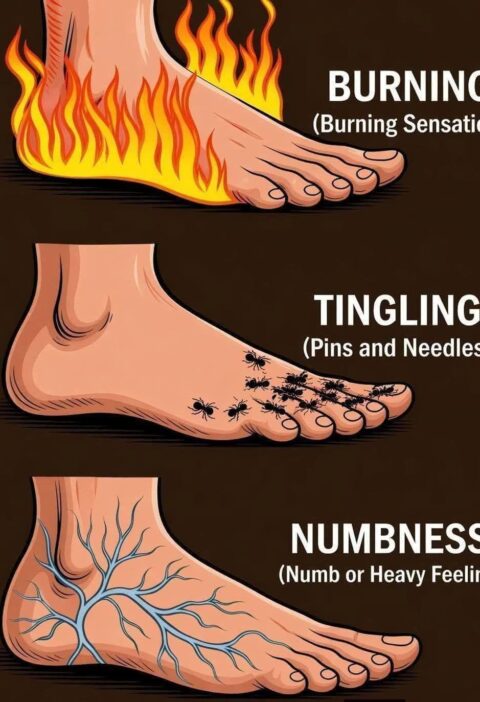
- Pain and sensation are usually not affected early on
- Thinking and memory are often preserved in early stages (though some people develop cognitive changes later)
When to seek medical evaluation
See a healthcare professional if:
- Weakness is progressive and persistent
- You notice ongoing muscle wasting or twitching
- Speech or swallowing problems are worsening
- Symptoms interfere with daily activities
Important reassurance
Many conditions can mimic early ALS symptoms, including:
- Nerve compression (like carpal tunnel)
- Vitamin deficiencies (B12)
- Thyroid disorders
- Benign muscle twitching
- Anxiety or fatigue-related symptoms
A proper neurological exam is required to determine the cause—early symptoms alone are not enough for diagnosis.
If you want, I can also explain how ALS is diagnosed or how it differs from more common nerve or muscle conditions.