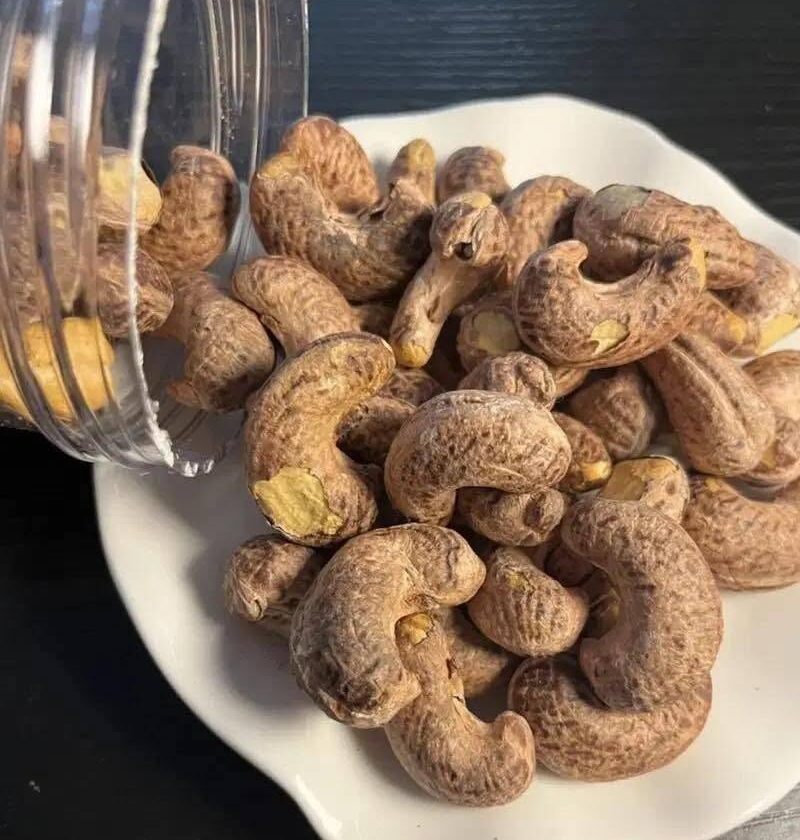
That headline is another clickbait-style teaser. There is no single “doctors reveal cashews cause…” outcome that applies to everyone.
What Cashew actually do depends on how much you eat and your overall diet.
🥜 What cashews really do (science-based)
👍 Potential benefits
- Rich in healthy fats (heart-friendly in moderation)
- Good source of magnesium and copper
- Provide protein and energy
- May help with satiety (feeling full)
⚖️ Possible downsides (only in excess or certain people)
- High calories → can contribute to weight gain if overeaten
- Allergies → cashew allergy can be serious
- Digestive discomfort → in large amounts for some people
- Oxalates → may matter for people prone to kidney stones (in high intake)
❌ What cashews do NOT “cause”
Despite viral posts, cashews do NOT:
- Automatically cause weight loss or weight gain
- “Clean arteries instantly”
- Cure or cause chronic diseases
- Dramatically change cholesterol overnight
🧠 The real truth
Cashews are a nutrient-dense food, but like all nuts:
They are healthy in moderation, not magical or harmful on their own.
A typical healthy portion is about:
- 20–30 grams (a small handful)
🧠 Bottom line
Cashews are neither a miracle food nor dangerous by default. The effects depend on portion size and overall diet, not sensational claims.
If you want, I can compare cashews vs almonds vs peanuts for heart health, weight loss, and diabetes so you know which is best for your goals.