The idea that “daily pills are silently destroying your liver” is a bit exaggerated, but there is a real and important point behind it: the liver processes most medications, and in older adults it can become more sensitive to drug side effects, especially when multiple medicines are taken together.
Most people do not develop liver damage from prescribed medications when they’re used correctly. Problems usually happen with high doses, long-term use, drug combinations, or pre-existing liver conditions.
Here are 10 commonly discussed medications and substances that deserve attention in seniors because they can affect the liver in some situations:
1. Acetaminophen (Paracetamol)
One of the most common causes of drug-related liver injury worldwide when overdosed.
Even “safe” doses can become risky if combined with alcohol or multiple cold/flu products.
2. Statins (e.g., atorvastatin, simvastatin)
Used for cholesterol control.
Mild liver enzyme changes can occur, but serious liver injury is rare. Routine monitoring is often done early in treatment.
3. Amoxicillin-clavulanate
A widely used antibiotic.
One of the more common prescription causes of temporary liver inflammation, especially in older adults.
4. Methotrexate
Used for rheumatoid arthritis and some cancers.
Can cause long-term liver damage if not monitored properly.
5. Isoniazid
Used for tuberculosis treatment.
Known for potential liver inflammation, especially in older adults or those with alcohol use.
6. Valproate (Valproic acid)
Used for seizures and bipolar disorder.
Can affect liver function, particularly in long-term use or higher doses.
7. Amiodarone
A heart rhythm medication.
Can accumulate in tissues and sometimes cause liver enzyme elevation or damage over time.
8. NSAIDs (e.g., ibuprofen, diclofenac)
Mostly known for stomach/kidney effects, but in rare cases can also stress the liver, especially with long-term heavy use.
9. Herbal supplements (e.g., kava, green tea extract in high doses)
Often overlooked.
“Natural” does not always mean safe—some herbal products are linked to liver toxicity.
10. Anti-seizure and psychiatric medications (various)
Beyond valproate, several older anticonvulsants and mood stabilizers can affect liver metabolism and require monitoring.
Important context for seniors
The real risk usually comes from:
- Taking multiple medications at once (polypharmacy)
- Using over-the-counter painkillers frequently
- Mixing medicines with alcohol
- Having existing conditions like fatty liver disease or hepatitis
- Not adjusting doses for age-related liver changes
Warning signs of liver stress
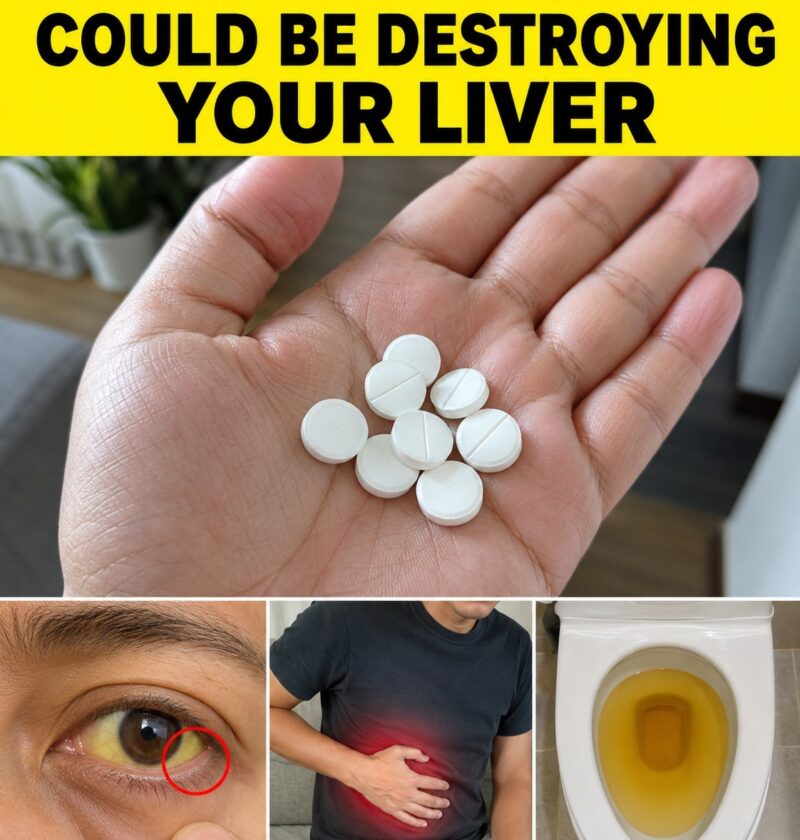
If medications are affecting the liver, symptoms may include:
- Unusual fatigue
- Yellowing of skin or eyes (jaundice)
- Dark urine
- Loss of appetite
- Itching or nausea
Bottom line
Most medications are safe when properly prescribed and monitored. The liver is resilient—but not invincible, especially in older age. The key is awareness, correct dosing, and regular check-ups, not stopping medicines on your own.
If you want, I can turn this into a simple “safe medication checklist for seniors” or tailor it to the most common medicines used in Pakistan.