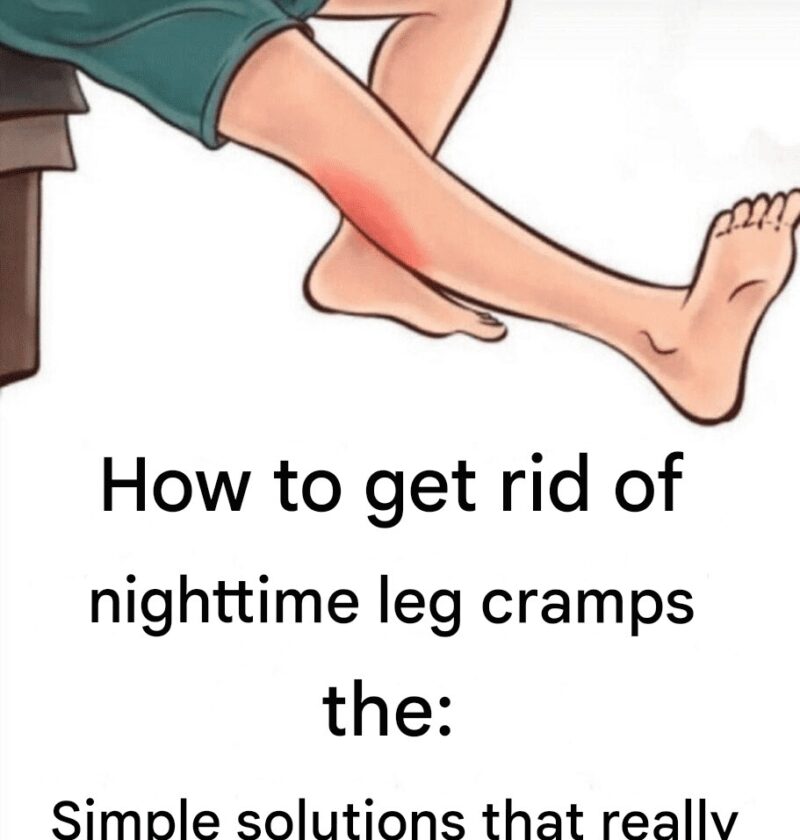
Nighttime leg cramps are usually sudden, painful tightening of calf or foot muscles during sleep. They’re common and often harmless, but very uncomfortable. Here are simple, evidence-based ways to reduce and prevent them.
Quick relief when a cramp hits
If it happens at night:
- Stretch the muscle immediately
Straighten your leg and gently pull your toes toward your shin (for calf cramps). Hold for 20–30 seconds. - Stand and walk a little
Putting weight on the leg often stops the spasm faster. - Massage the area
Firm rubbing helps the muscle relax. - Apply heat or cold
A warm towel or heating pad relaxes tight muscles; ice can reduce lingering soreness afterward.
Common causes (so you can target the problem)
Night cramps are often linked to:
- Dehydration
- Low minerals (especially magnesium, potassium, calcium)
- Long periods of sitting or standing
- Overuse or new exercise
- Tight calf muscles
- Some medications (like diuretics or statins)
Simple prevention that actually works
- Stretch before bed (most effective habit)
Focus on calves and hamstrings for 2–5 minutes. - Stay hydrated during the day
Especially in hot weather. - Gentle daily movement
Walking or light exercise improves circulation. - Magnesium-rich foods
Nuts, seeds, bananas, spinach, lentils. Supplements may help some people, but don’t overdo them. - Proper sleeping position
Avoid pointing your toes downward while sleeping; keep feet slightly flexed if possible. - Check footwear and activity load
Unsupportive shoes or sudden intense exercise can trigger cramps.
When to consider a doctor visit
Get checked if:
- Cramps are very frequent or worsening
- One leg is swollen, red, or painful (important warning sign)
- You have diabetes, kidney disease, or circulation problems
- Cramps started after a new medication
If you want, tell me your age, activity level, and when the cramps happen—I can narrow it down to the most likely cause and a more targeted fix.