What You Can Do in About 5 Minutes
Step 1: Rinse With Warm Water (30 seconds)
Swish warm water vigorously around your mouth.
Benefits:
- Loosens food debris
- Moistens plaque deposits
- Makes brushing more effective
You can add a small pinch of salt if desired, though plain water works as well.
Step 2: Proper Tooth Brushing (2 minutes)
Use a soft-bristled toothbrush.
Technique:
- Hold the brush at a 45-degree angle toward the gumline.
- Use small circular motions.
- Brush:
- Outer surfaces
- Inner surfaces
- Chewing surfaces
- Gently brush along the gumline where plaque accumulates most.
Avoid:
- Scrubbing aggressively
- Using hard-bristled brushes
- Brushing horizontally with excessive force
These can damage enamel and gums.
Step 3: Clean Between Teeth (1–2 minutes)
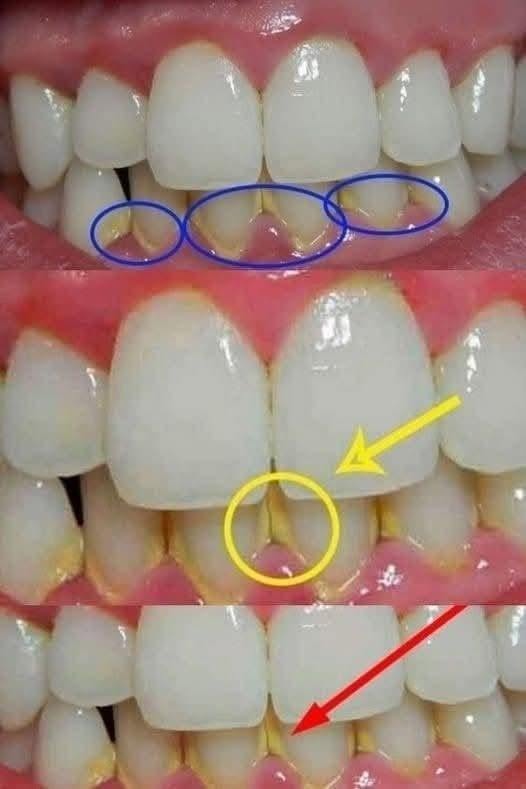
Much plaque accumulates between teeth.
Options:
- Dental floss
- Interdental brushes
- Water flosser
Technique:
- Slide floss gently between teeth.
- Curve it around each tooth in a C-shape.
- Move up and down several times.
This often removes plaque that brushing misses.
Step 4: Tongue Cleaning (30 seconds)
Use:
- A tongue scraper
- Or the back of your toothbrush
Benefits:
- Reduces bacterial load
- Improves breath
- Helps overall oral hygiene
Step 5: Final Water Rinse (15–30 seconds)
Rinse thoroughly to wash away loosened plaque and debris.
Natural Methods That May Help Reduce Plaque Over Time
1. Oil Pulling
Commonly done with:
- Coconut oil
- Sesame oil
Method:
- Swish 1 tablespoon for 10–15 minutes.
- Spit it into a trash bin (not the sink).
Evidence suggests it may reduce oral bacteria and improve gum health, but it does not instantly remove hardened tartar.
2. Sugar-Free Xylitol Gum
Chewing xylitol gum:
- Increases saliva production
- Reduces bacterial growth
- Helps prevent plaque accumulation
3. Green Tea
Contains polyphenols that may:
- Suppress plaque-forming bacteria
- Reduce gum inflammation
4. Staying Hydrated
Adequate saliva naturally helps:
- Neutralize acids
- Wash away food particles