Did You Know? If Hair Grows on Your Ears, Here’s What It May Mean
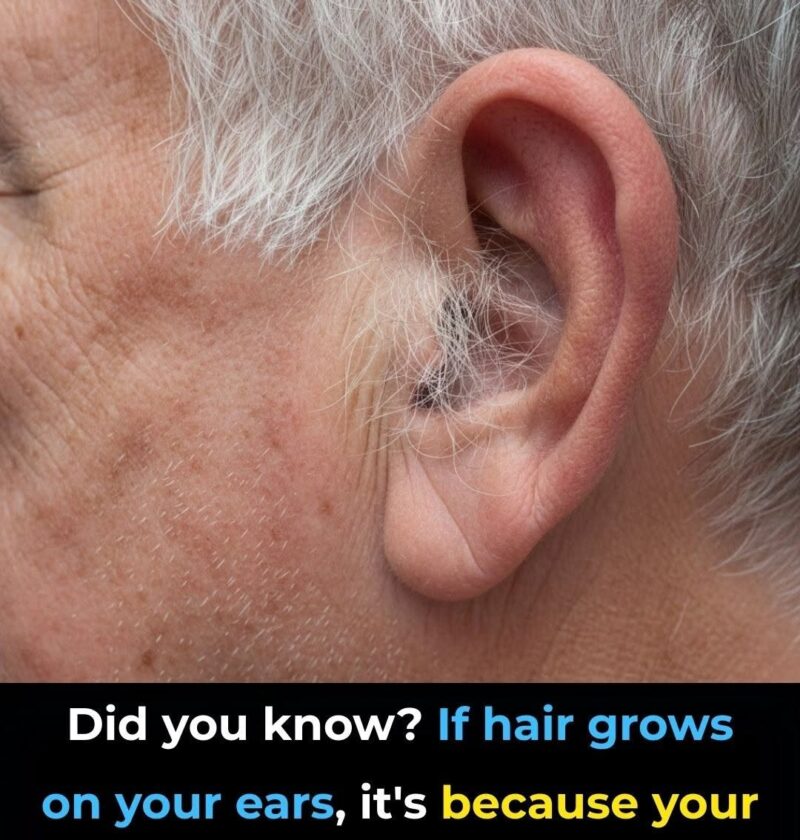
Many people notice that hair on the ears becomes more visible as they get older and wonder whether it signals a health problem. In most cases, ear hair growth is a normal part of aging and is influenced by genetics and hormones rather than a sign of disease.
Why Does Hair Grow on the Ears?
Hair follicles are present on much of the body, including the outer ear. As people age, especially men, some of these follicles can begin producing thicker, longer hairs.
The main factors involved are:
1. Aging
One of the most common reasons for increased ear hair is aging. Hair growth patterns change over time, and areas such as the ears, nose, and eyebrows may develop coarser, more noticeable hair.
2. Hormones
Male hormones called androgens influence hair growth. As hormone sensitivity changes with age, hair follicles in the ears may become more active, leading to increased growth.
3. Genetics
Some people are simply more likely to develop ear hair than others. Family history plays a significant role in determining hair growth patterns.
Is Ear Hair a Sign of Poor Health?
Generally, no. Ear hair growth is usually a normal cosmetic concern rather than a medical problem.
There is no strong scientific evidence that ear hair means:
- Your body is toxic
- You have low collagen
- You have a vitamin deficiency
- Your circulation is poor
- Your organs are failing
These claims often appear on social media but are not supported by reliable medical research.
Does Ear Hair Increase With Age?
Yes. Many men notice increased ear hair after middle age. This is a common age-related change, similar to:
- Thicker eyebrow hair
- Increased nose hair
- Changes in scalp hair texture
Women can also develop ear hair, although it is usually less noticeable.
When Should You See a Doctor?
Ear hair itself rarely requires medical attention. However, it may be worth consulting a healthcare professional if you experience:
- Sudden and excessive hair growth across the body
- Rapid hormonal changes
- Unexplained weight changes
- Other unusual symptoms affecting skin, hair, or hormones
These situations may warrant evaluation for an underlying hormonal condition.
How Can Ear Hair Be Removed?
If ear hair is bothersome, common options include:
- Trimming with an electric ear-hair trimmer
- Professional waxing
- Laser hair removal
- Electrolysis for longer-lasting results
Avoid inserting sharp scissors deep into the ear canal, as this can cause injury.
The Bottom Line
Hair growing on the ears is usually a normal result of aging, genetics, and hormonal influences. While it may become more noticeable over time, it is not generally a sign of illness or a deficiency in the body. For most people, ear hair is simply a natural part of the aging process and can be managed with safe grooming methods if desired.