🧼 Baking Soda on the Face: Benefits, Risks, and Safe Use
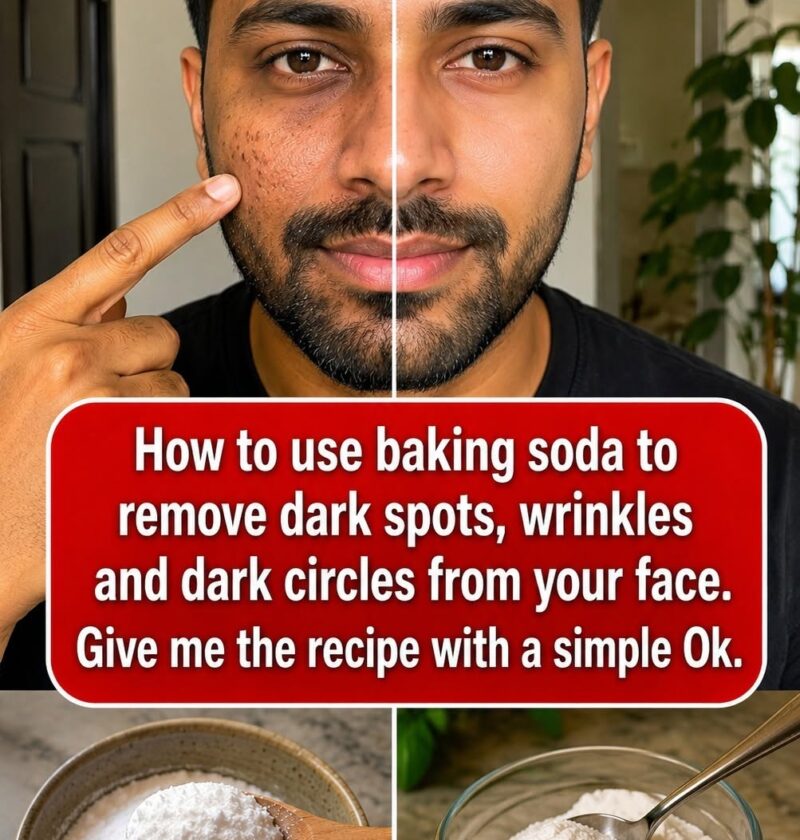
Baking soda (sodium bicarbonate) is sometimes used in home skincare, but it’s not a gentle facial ingredient. While it has a few short-term effects, it can also disrupt your skin barrier if used incorrectly.
✨ Possible (limited) benefits
1. Mild exfoliation
- Can remove dead skin cells
- Leaves skin feeling “smooth” temporarily
2. Oil reduction (short-term)
- May reduce surface oil due to its alkaline nature
3. Odor and antibacterial action
- Has mild antibacterial properties in lab settings
- Not strong enough to treat acne reliably
⚠️ Major risks (important)
❌ 1. Disrupts skin pH
- Healthy skin is slightly acidic (pH ~5.5)
- Baking soda is alkaline → can damage skin barrier
❌ 2. Irritation and redness
- Can cause burning, dryness, and peeling
❌ 3. Worsens acne in some people
- Damaged skin barrier can trigger more breakouts
❌ 4. Over-drying
- Strips natural oils → skin may become more sensitive
❌ 5. Not suitable for sensitive skin
- Higher risk of reaction or inflammation
🧴 If someone still wants to use it (safer approach)
Dermatologists generally do not recommend facial use, but if used:
- Mix with plenty of water (very diluted paste)
- Use only occasionally (not daily)
- Apply for less than 30–60 seconds
- Avoid eye area completely
- Stop immediately if irritation occurs
🧠 Better alternatives (safer and more effective)
Instead of baking soda, consider:
- Salicylic acid (for acne/pores)
- Glycolic acid (for exfoliation)
- Gentle face cleansers (pH-balanced)
- Clay masks (for oil control)
These are tested and skin-safe when used correctly.