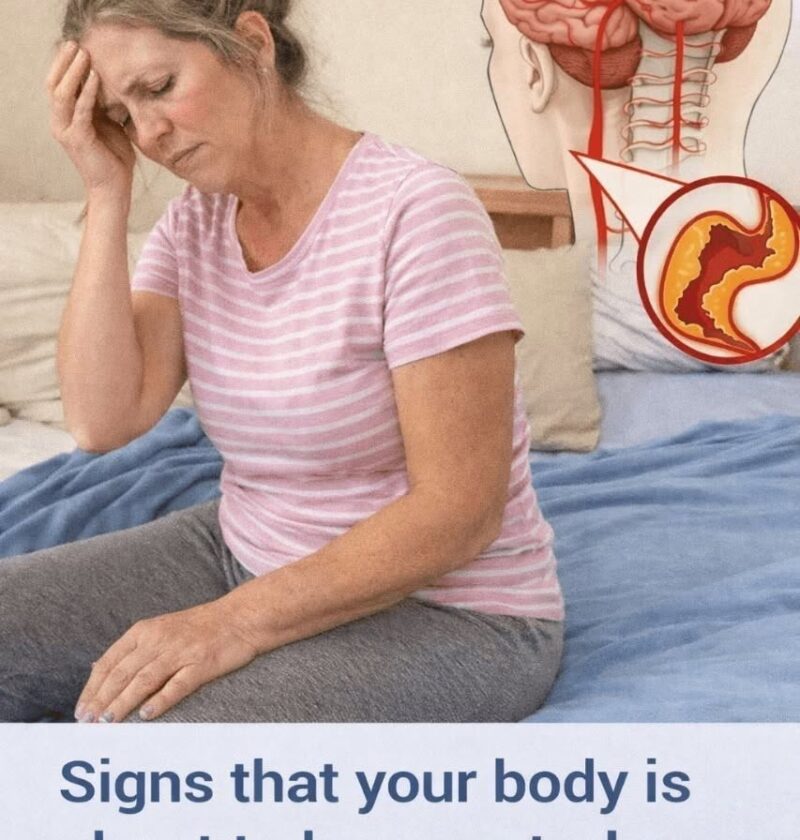
A stroke is a medical emergency. The warning signs are real—but viral posts often exaggerate them or mix them with unrelated symptoms.
A stroke (Stroke) happens when blood flow to part of the brain is blocked or when a blood vessel bursts. Acting fast is critical.
The most important warning signs (use FAST)
F — Face drooping
- One side of the face becomes uneven
- Smile looks lopsided
A — Arm weakness
- One arm drifts downward when both are raised
- Sudden weakness or numbness on one side
S — Speech difficulty
- Slurred speech
- Trouble finding words or understanding others
T — Time to call for help immediately
Other serious warning signs
- Sudden severe headache (often described as “worst ever”)
- Sudden vision loss or blurred vision in one or both eyes
- Loss of balance, dizziness, or trouble walking
- Sudden confusion
- Numbness or weakness on one side of the body
Important reality check
- Strokes usually happen suddenly, not gradually over days
- Symptoms are typically one-sided
- Even if symptoms go away quickly, it could be a mini-stroke (TIA) and still needs urgent care
What to do
- Do NOT wait or sleep it off
- Do NOT take home remedies
- Seek emergency medical care immediately
Local emergency support (Pakistan)
If stroke symptoms are suspected, go to the nearest emergency department immediately or call local emergency medical services. For urgent assistance in your area, you can also contact:
- Bedari Helpline: 0300-5251717 (for support guidance and referral assistance)
Bottom line
Stroke symptoms are always an emergency. The safest rule is simple: if you suspect a stroke, treat it as one immediately—even if you are not 100% sure.
If you want, I can also explain how to tell the difference between stroke, migraine, and anxiety symptoms, which often get confused.