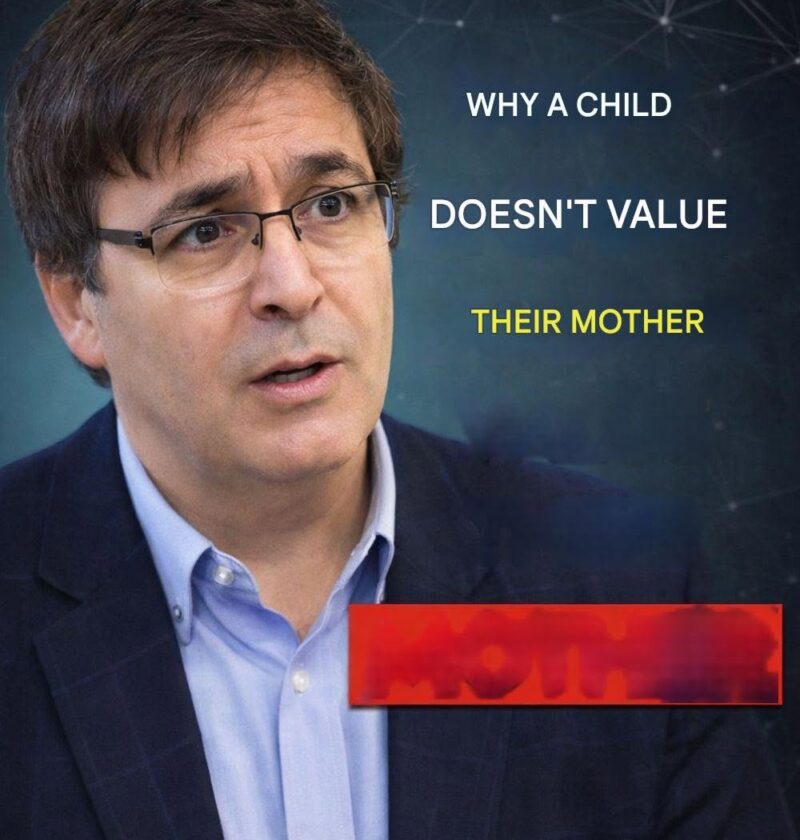
That headline is framing things a bit too neatly. “Emotionally distant from mother” isn’t usually caused by a single set of universal psychological reasons, and it also isn’t always about “becoming distant” from one parent specifically—attachment and emotional closeness are shaped by a complex mix of family dynamics, temperament, and environment.
That said, psychology does identify several common contributing factors that can lead to emotional distance between a child and a mother figure:
1. Inconsistent emotional availability
If a caregiver is sometimes warm and sometimes unavailable (emotionally or physically), a child may learn to self-protect by withdrawing.
2. High criticism or emotional invalidation
When a child’s feelings are frequently dismissed (“don’t be dramatic,” “stop crying”), they may stop sharing emotions altogether.
3. Overcontrol or lack of autonomy
Excessive control can lead children to emotionally disengage as a way to assert independence.
4. Unresolved conflict or frequent hostility at home
Chronic tension between parents or within the parent-child relationship can create emotional avoidance.
5. Trauma or stressful experiences
Illness, divorce, loss, or instability can affect attachment patterns, sometimes leading to emotional shutdown.
6. Personality and temperament differences
Some children are naturally more introverted or emotionally reserved, which can be misinterpreted as “distance.”
7. Attachment disruptions in early childhood
Early caregiving patterns (secure vs. insecure attachment) strongly influence how emotionally open a child feels later in life.
Important reality check
- This is not automatically the mother’s fault. Attachment patterns involve multiple caregivers, environment, and the child’s own temperament.
- Emotional distance is often a coping mechanism, not rejection.
- These patterns can often be improved later in life with trust-building and communication.
If you want, I can also explain how to tell the difference between healthy independence and unhealthy emotional detachment—it’s something these posts usually blur.