Important Warning: When Vitamin D Supplements May Need Medical Review
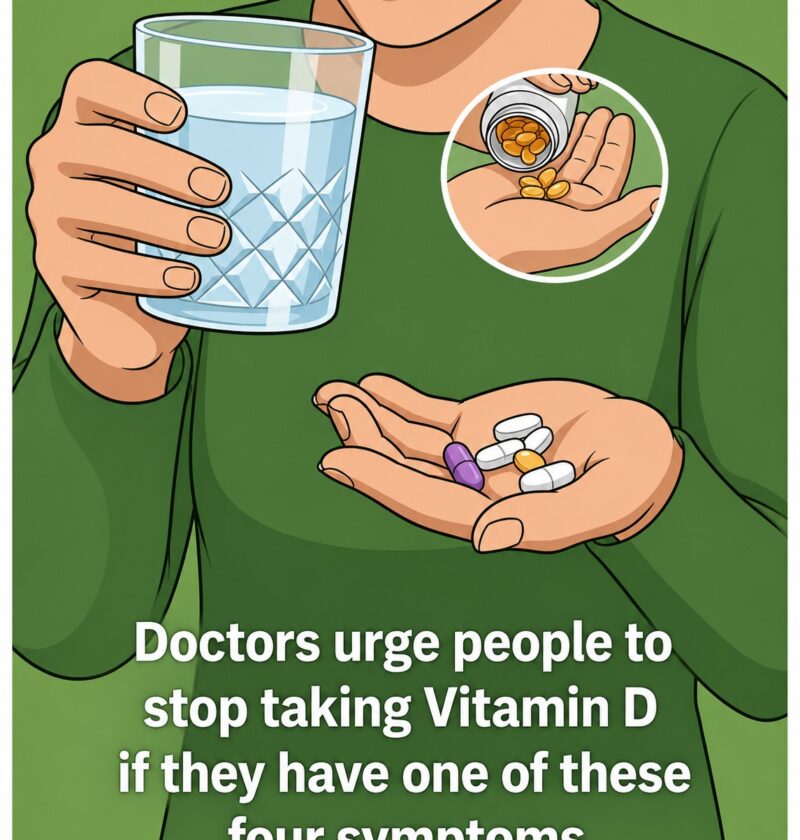
Headlines like “Stop Taking Vitamin D Immediately If You Have These 4 Symptoms” can be misleading. For most people, vitamin D is safe when taken at recommended doses. However, taking excessive amounts of vitamin D supplements can lead to vitamin D toxicity, a condition that causes abnormally high calcium levels in the blood.
If you are taking vitamin D and develop concerning symptoms, you should contact a healthcare professional rather than making assumptions based on online posts.
🧠 Why Too Much Vitamin D Can Be a Problem
Vitamin D helps the body absorb calcium. Excessive supplementation can sometimes cause hypercalcemia (high blood calcium), which may affect the kidneys, digestive system, heart, and nervous system.
Vitamin D toxicity is uncommon and is usually caused by high-dose supplements, not by sun exposure or normal dietary intake.
🚨 4 Symptoms That May Require Medical Attention
1. Persistent Nausea, Vomiting, or Loss of Appetite
High calcium levels can affect the digestive system.
Possible symptoms:
- Nausea
- Vomiting
- Poor appetite
- Abdominal discomfort
These symptoms have many possible causes, but they should be evaluated if they occur while taking high-dose vitamin D.
2. Excessive Thirst and Frequent Urination
One of the classic signs of high calcium levels is increased thirst.
You may notice:
- Drinking much more water than usual
- Frequent urination, including at night
- Signs of dehydration
3. Muscle Weakness or Unusual Fatigue
Excess calcium can interfere with normal muscle and nerve function.
Possible symptoms:
- Weakness
- Low energy
- Feeling unusually tired
- Reduced exercise tolerance
4. Confusion, Difficulty Concentrating, or Mental Changes
In more severe cases, high calcium levels can affect the brain.
Potential symptoms:
- Confusion
- Difficulty concentrating
- Mood changes
- Unusual drowsiness
These symptoms warrant prompt medical evaluation.
⚠️ Additional Symptoms Sometimes Seen
Other signs of excessive vitamin D intake may include:
- Constipation
- Bone pain
- Kidney stone symptoms
- Irregular heartbeat in severe cases
🩺 Who Is Most at Risk?
Risk is generally higher in people who:
- Take very high-dose vitamin D supplements
- Use multiple supplements containing vitamin D
- Have certain kidney disorders
- Have conditions affecting calcium metabolism
💊 Should You Stop Taking Vitamin D?
Do not stop prescribed medications or supplements solely because of an internet headline.
Instead:
- Review your dose.
- Contact your healthcare professional if symptoms develop.
- Consider blood testing for vitamin D and calcium levels if recommended.
🧠 Key Takeaway
There are no four symptoms that automatically mean everyone should stop vitamin D immediately. However, symptoms such as nausea, excessive thirst, unusual weakness, and confusion can be warning signs of excessive vitamin D intake or elevated calcium levels and should be assessed by a healthcare professional