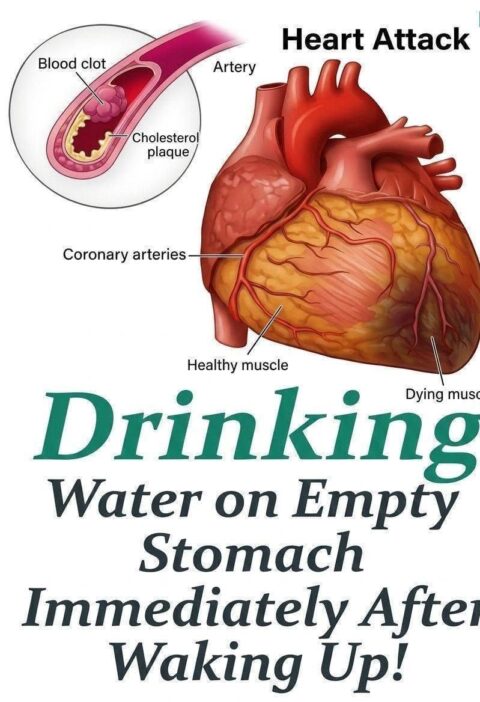
That headline is typical social-media clickbait. Cardiologists do warn about certain medication classes that can increase heart attack or stroke risk in older adults, but it’s never as simple as “5 pills you must avoid.” Risk depends on dose, duration, and a person’s existing heart/kidney conditions.
Here are 5 commonly discussed medication types that can raise cardiovascular risk in some older people:
1) Non-steroidal anti-inflammatory drugs (NSAIDs)
Examples:
- Ibuprofen
- Diclofenac
- Naproxen
Why risk increases: They can raise blood pressure, cause fluid retention, and slightly increase clotting risk in some people—especially with long-term use or existing heart disease.
2) COX-2 selective painkillers
- Celecoxib
Why risk increases: Similar pain relief benefits, but some studies show higher risk of cardiovascular events in higher doses or long-term use.
3) Decongestants (cold and flu medicines)
- Pseudoephedrine
Why risk increases: Can raise blood pressure and heart rate. Risk is higher in people with hypertension or heart disease.
4) Testosterone therapy (in older men)
- Testosterone
Why risk increases: Some studies suggest possible increased risk of clotting and cardiovascular events in older men with pre-existing conditions, though data is mixed.
5) Hormone therapy (in older women)
- Estrogen
Why risk increases: Certain forms of estrogen therapy can slightly increase risk of blood clots and stroke, especially when started later in life.
Important reality check
- These are not “forbidden drugs.”
- Many are safe when prescribed correctly.
- The biggest danger comes from:
- long-term self-medication
- high doses
- mixing multiple painkillers
- existing heart, kidney, or blood pressure disease
Simple takeaway
The real warning from cardiologists is usually:
“Be careful with painkillers, decongestants, and hormone-related drugs if you are older or already have heart risk factors.”
If you want, I can tell you which common medicines in Pakistan households are most often misused in this category—that’s usually where the real risk shows up.