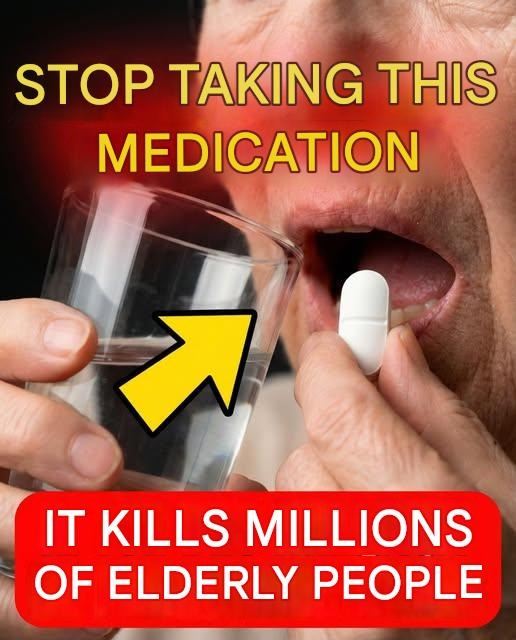
That headline is a common “fear hook.” It’s mixing a real idea with exaggeration.Yes—some medications can slightly increase cardiovascular risk in certain older adults, but there is no universal list of “5 drugs that cause heart attacks and strokes” for everyone. Risk depends on dose, duration, health conditions, and whether the drug is medically necessary.
What’s actually true
Some medication classes can increase risk in specific situations:
1. NSAID painkillers
Examples: ibuprofen, diclofenac
- Can raise blood pressure
- May increase risk of heart attack or stroke with long-term/high-dose use
- Risk is higher in older adults or those with heart disease
2. Some decongestants
Example: pseudoephedrine
- Can increase heart rate and blood pressure
- Risky for people with hypertension or heart conditions
3. Certain hormone therapies
Example: estrogen-containing therapy
- Can slightly increase clot risk in some people
- Depends heavily on age and individual risk factors
4. Some diabetes medications (specific cases)
- Most are safe or protective, but a few older drugs had cardiovascular concerns
- Modern treatment is usually chosen specifically for heart safety
5. Steroids (long-term use)
- Can increase blood pressure, blood sugar, and weight
- Indirectly raises cardiovascular risk over time
Important reality check
Even if a medication has a risk:
- Doctors prescribe it because benefits outweigh risks
- Stopping medication suddenly can be far more dangerous than the side effects
Why these posts are misleading
They:
- don’t name exact doses or conditions
- ignore medical supervision
- treat “possible risk increase” as “causes heart attacks”
- push people toward fear or supplement alternatives
Bottom line
Some medications can increase cardiovascular risk in certain people, but there is no safe universal “5-drug blacklist.” Medication decisions must be individualized by a doctor.
If you want, paste the full “5 medications” list from that post and I’ll break down each one specifically and tell you what the real evidence says.