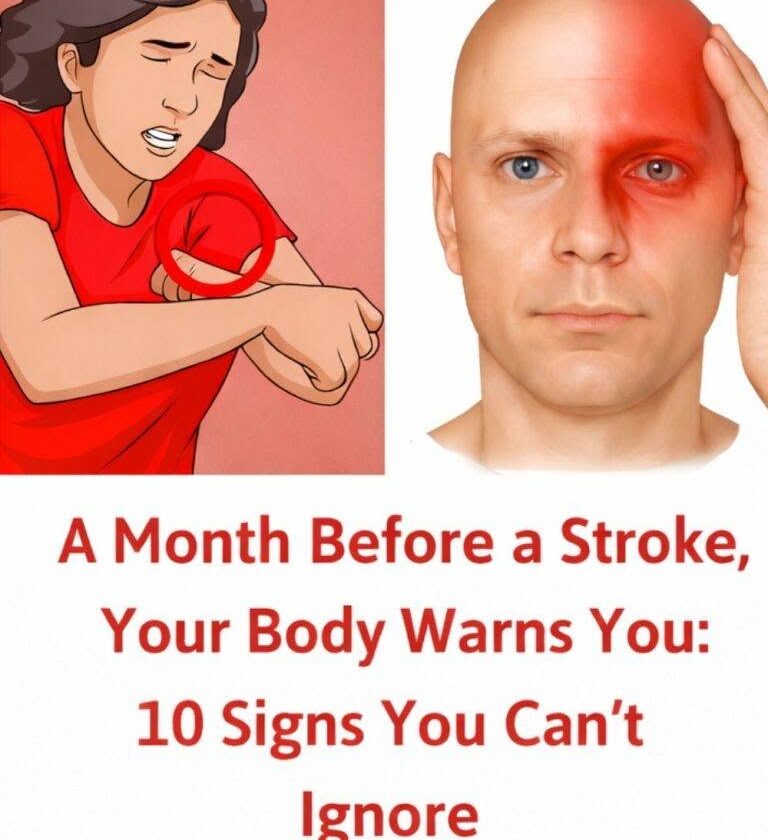
A headline like “A month before a stroke, your body warns you: 10 signs not to ignore” is partly misleading.
A Stroke can occur without warning, and there is no proven list of symptoms that reliably appears a month beforehand. However, some people experience warning signs, especially a Transient Ischemic Attack (TIA or “mini-stroke”), which is a medical emergency because it greatly increases the risk of a stroke in the following hours or days.
Warning signs that require immediate medical attention
Seek emergency care right away if you or someone else suddenly develops:
- Weakness or numbness of the face, arm, or leg, especially on one side
- Trouble speaking or understanding speech
- Sudden vision loss or blurred vision in one or both eyes
- Sudden difficulty walking, dizziness, or loss of balance
- A sudden, severe headache unlike previous headaches (more common with some types of stroke)
A helpful way to remember the most common symptoms is FAST:
- Face drooping
- Arm weakness
- Speech difficulty
- Time to call emergency services immediately
Symptoms that may appear before a stroke (but are not specific)
Some people may have:
- A TIA that resolves within minutes or hours
- Brief episodes of vision loss
- Temporary numbness or weakness
- Short episodes of slurred speech
These symptoms should never be ignored, even if they go away.
Risk factors you can address
Reducing your risk of stroke includes:
- Controlling high blood pressure
- Managing diabetes
- Treating high cholesterol
- Not smoking
- Exercising regularly
- Eating a balanced diet
- Taking prescribed medications consistently
Bottom line: There is no reliable “one-month warning” for stroke. The most important message is to recognize the sudden signs of stroke or a TIA and seek emergency medical care immediately, because prompt treatment can save brain tissue and improve outcomes.