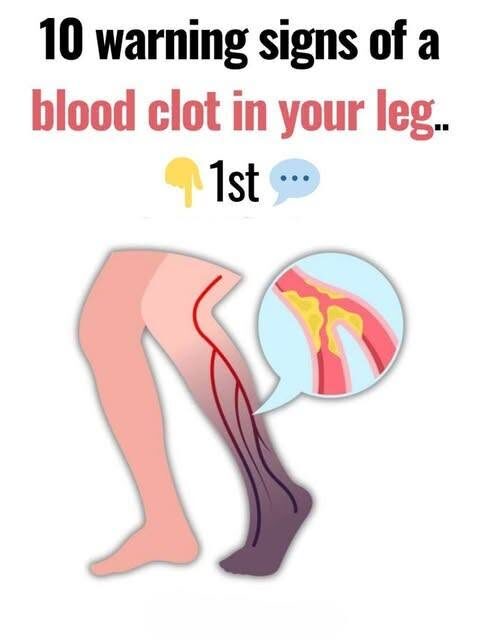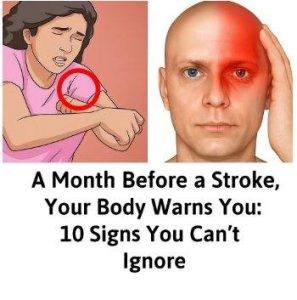
That headline is a bit misleading. A stroke does not reliably announce itself a month in advance, and many strokes occur suddenly. However, some people experience warning signs beforehand, especially a Transient ischemic attack (TIA), often called a “mini-stroke.”
A TIA causes temporary stroke-like symptoms and should be treated as a medical emergency because it can be a warning sign of an upcoming **Stroke.
10 warning signs that should not be ignored
1. Sudden weakness on one side of the body
- Arm, leg, or facial weakness
- Often affects only one side
2. Facial drooping
- One side of the face appears uneven
- Difficulty smiling normally
3. Slurred speech
- Speech becomes difficult to understand
- Trouble speaking clearly
4. Difficulty understanding others
- Sudden confusion
- Trouble following conversations
5. Vision changes
- Blurred vision
- Double vision
- Temporary loss of vision in one or both eyes
6. Numbness or tingling
- Especially on one side of the face, arm, or leg
7. Dizziness or loss of balance
- Trouble walking
- Unsteadiness or falls
8. Coordination problems
- Difficulty performing familiar movements
- Clumsiness that appears suddenly
9. Sudden severe headache
- Particularly concerning if it’s abrupt and unlike previous headaches
10. Brief symptoms that disappear
- Any neurological symptoms lasting minutes to hours and then resolving may be a TIA
Remember FAST
- Face drooping
- Arm weakness
- Speech difficulty
- Time to seek emergency help immediately
Risk factors that increase stroke risk
- High blood pressure
- Diabetes
- Smoking
- High cholesterol
- Obesity
- Atrial fibrillation and other heart rhythm disorders
Bottom line
There is no guaranteed list of symptoms that always appear a month before a stroke. The most important warning sign is a TIA or any sudden neurological symptom—even if it goes away quickly. Prompt medical evaluation can significantly reduce the risk of a future stroke.