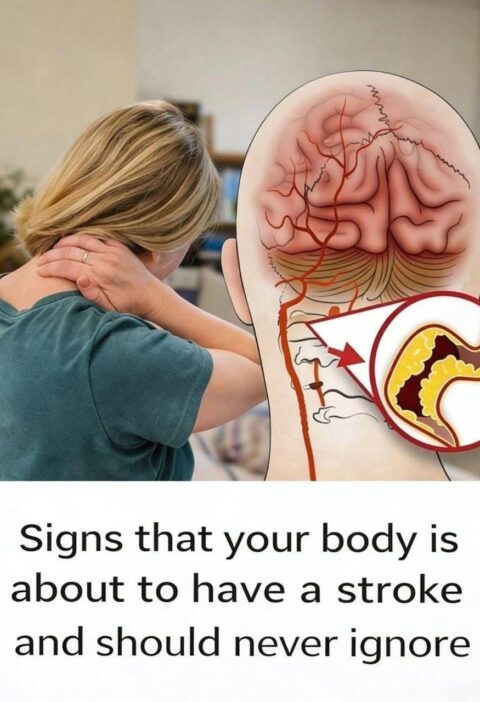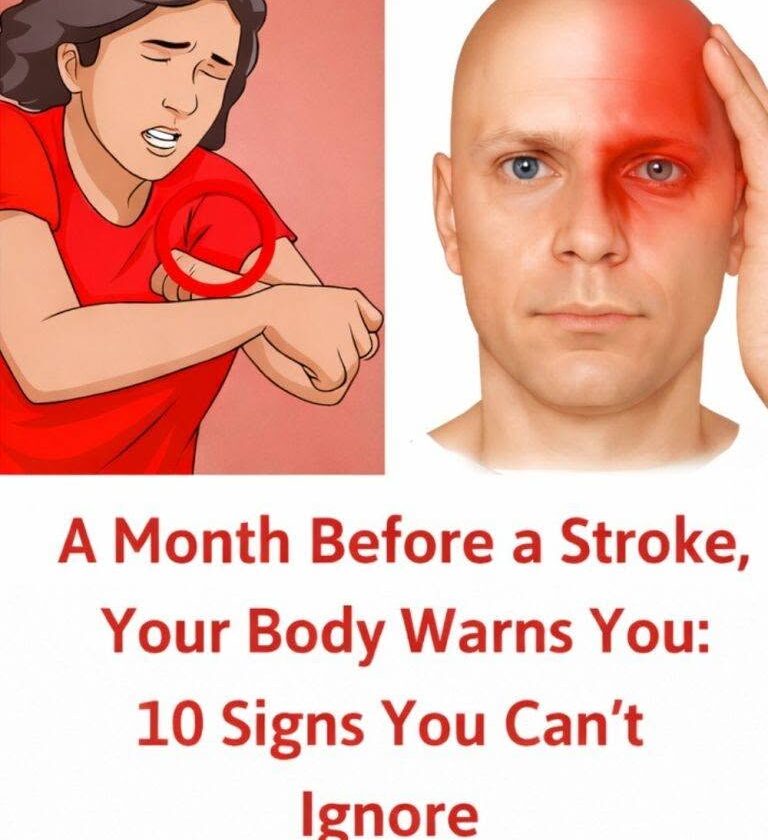
That headline is partly misleading because it suggests a stroke reliably gives a “1-month warning window” and a fixed list of signs. In reality, some people do have early warning symptoms, but strokes can also happen suddenly with no long lead time.
A more accurate and responsible version would be:
- Early Warning Signs of Stroke: What Your Body May Be Telling You
- Stroke Risk Signs You Should Never Ignore
- TIA and Stroke Warning Symptoms: What to Watch For
- Possible Early Signs of Stroke Risk in the Weeks Before
What’s actually true
A true medical warning sign is often a Transient ischemic attack (TIA), sometimes called a “mini-stroke.” It can happen days or weeks before a major stroke.
A TIA produces stroke-like symptoms that go away, but it is a serious warning that a full stroke may follow.
Possible warning signs (weeks to days before in some cases)
These may indicate increased stroke risk or a TIA:
- Sudden weakness or numbness in face, arm, or leg (especially one side)
- Brief vision loss or blurred vision in one eye
- Trouble speaking or understanding speech
- Sudden dizziness or loss of balance
- Severe, unusual headache (more common in hemorrhagic stroke)
- Confusion or difficulty concentrating
- Temporary paralysis or heaviness in limbs
- Short episodes of facial drooping
- Sudden coordination problems
- Brief episodes of stroke-like symptoms that resolve (TIA)
Important medical reality
- Not everyone has warning signs a month in advance.
- Some people have no symptoms before a stroke.
- Risk factors (not symptoms) matter more for prevention:
- High blood pressure
- Diabetes
- Smoking
- High cholesterol
- Heart disease
Emergency warning
If any stroke symptoms occur suddenly—even if they go away—treat it as an emergency. The acronym FAST is key:
- Face drooping
- Arm weakness
- Speech difficulty
- Time to call emergency services
Key takeaway
There is no reliable “10-sign, 1-month warning system” for stroke. Some people experience early warning events like TIAs, but strokes often happen without advance notice. The safest message is: recognize sudden neurological symptoms immediately and seek urgent care.