Understanding Stroke: A Medical Emergency, Not a Predictable Timeline
A stroke occurs when blood flow to part of the brain is interrupted or reduced, preventing brain tissue from receiving oxygen and nutrients. Brain cells begin to die within minutes, making stroke a medical emergency that requires immediate attention.
There are two main types:
- Ischemic stroke (caused by a blocked artery)
- Hemorrhagic stroke (caused by bleeding in the brain)
Unlike viral claims suggest, strokes usually do not announce themselves a month in advance with a fixed set of symptoms. However, some early warning signs or risk indicators may appear in certain individuals.
Important Clarification: “Early Signs” vs “Immediate Stroke Symptoms”
It is important to separate:
1. Immediate Stroke Symptoms (Emergency Signs)
These happen during or right before a stroke and require urgent medical care.
2. Risk Warning Signs (Weeks or Months Before)
These are indirect indicators that someone may be at higher risk.
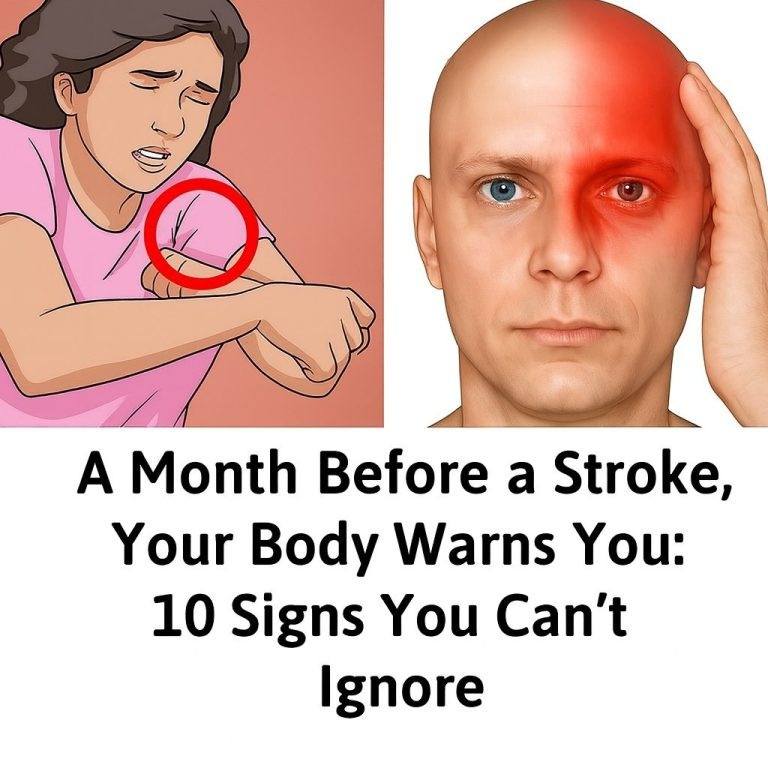
1. Sudden Numbness or Weakness
One of the most common stroke symptoms involves:
- Face drooping
- Arm weakness
- Leg weakness
- Often on one side of the body
This is part of the well-known FAST warning system (Face, Arms, Speech, Time).
2. Speech Difficulties
People may suddenly experience:
- Slurred speech
- Difficulty forming sentences
- Trouble understanding words
This is a critical emergency sign, not a long-term warning.
3. Vision Problems
Stroke may cause:
- Blurred vision
- Double vision
- Loss of vision in one or both eyes
These symptoms often appear suddenly.
4. Severe Headache (Especially in Hemorrhagic Stroke)
A sudden, intense headache with no known cause can be a sign of brain bleeding. It is often described as:
- “Worst headache of life”
- Sudden onset
- Associated with nausea or confusion
5. Dizziness or Loss of Balance
Stroke can affect coordination, leading to:
- Trouble walking
- Loss of balance
- Dizziness or vertigo