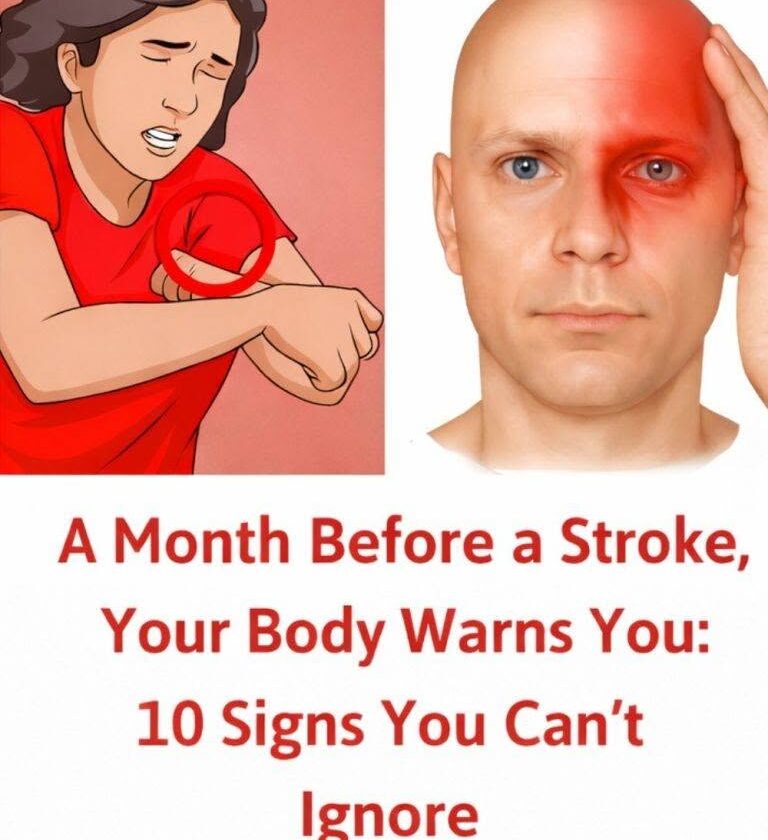
That headline is misleading. Most strokes do not give a month’s warning, and there is no validated list of “10 signs” that reliably predict a stroke weeks in advance.
However, some people experience warning signs, especially if they have a transient ischemic attack (TIA), which is a temporary interruption of blood flow to the brain. A TIA is a medical emergency because it can precede a full stroke, often within hours or days.
Here are symptoms that should never be ignored, whether they last a few minutes or persist:
- Sudden weakness or numbness of the face, arm, or leg, especially on one side.
- Sudden trouble speaking or understanding speech.
- Sudden vision loss or blurred vision in one or both eyes.
- Sudden dizziness, loss of balance, or difficulty walking.
- A sudden, severe headache unlike any you’ve had before, especially if accompanied by vomiting or altered consciousness.
- Sudden confusion or difficulty thinking clearly.
- Facial drooping on one side.
- Difficulty swallowing that starts suddenly.
- Brief episodes of any of the above that resolve completely (possible TIA).
- Sudden coordination problems or clumsiness without another explanation.
Remember the FAST test
- Face: Is one side drooping?
- Arms: Does one arm drift downward when raised?
- Speech: Is speech slurred or strange?
- Time: Call emergency services immediately. Do not wait to see if symptoms improve.
Risk factors that can increase stroke risk
- High blood pressure (the biggest modifiable risk factor)
- Diabetes
- Smoking
- High cholesterol
- atrial fibrillation
- Obesity
- Physical inactivity
- Excessive alcohol use
If you or someone else has any sudden stroke symptoms, seek emergency medical care immediately. Treatments are most effective when started as soon as possible.
If you saw this as a social media post or article, I can also help separate which claims are supported by medical evidence and which are myths.