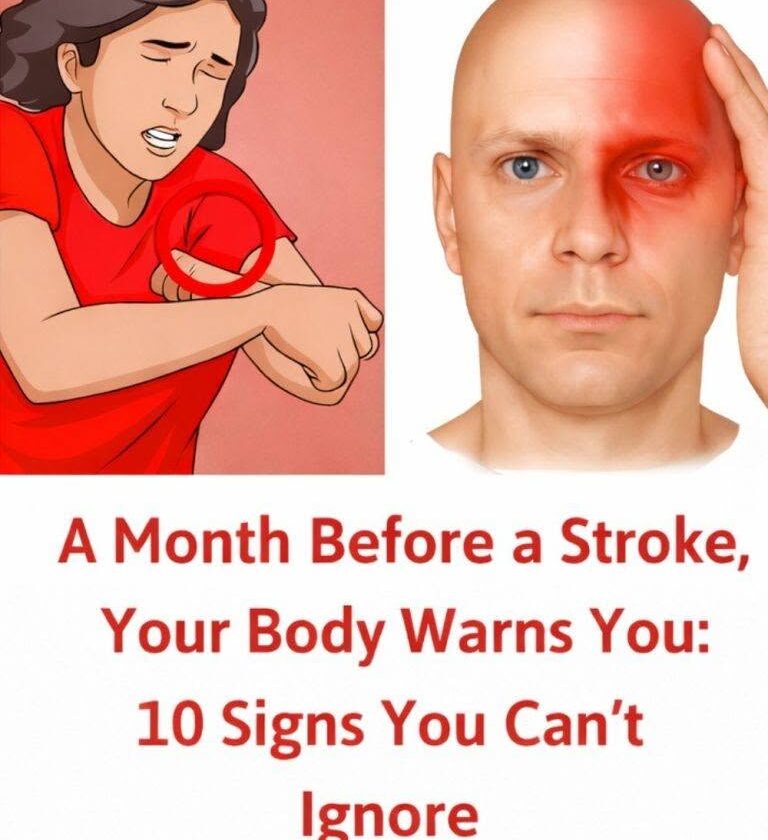
A stroke can sometimes occur without warning, but some people experience symptoms days, weeks, or even months beforehand that may signal increased risk or a transient ischemic attack (TIA)—often called a “mini-stroke.” A TIA is a temporary blockage of blood flow to the brain and is a serious warning sign that requires medical attention.
Here are 10 possible warning signs that should not be ignored:
- Sudden weakness or numbness
- Especially on one side of the face, arm, or leg.
- Trouble speaking or understanding speech
- Slurred speech, confusion, or difficulty finding words.
- Sudden vision changes
- Blurred vision, loss of vision in one eye, or double vision.
- Dizziness or loss of balance
- Feeling unsteady, having trouble walking, or sudden coordination problems.
- A sudden, severe headache
- Especially a headache unlike previous ones or accompanied by other neurological symptoms.
- Episodes of confusion
- Sudden difficulty thinking clearly, recognizing familiar people, or following conversations.
- Facial drooping
- One side of the face may appear uneven, especially when smiling.
- Temporary symptoms that disappear
- Brief episodes of weakness, speech difficulty, or vision loss may be a TIA and should not be dismissed.
- Unusual fatigue or reduced ability to perform normal activities
- Persistent changes in energy or function can sometimes accompany health problems that increase stroke risk.
- New or worsening risk factors
- Rising blood pressure, uncontrolled diabetes, irregular heartbeat (such as atrial fibrillation), or high cholesterol may increase stroke risk even without obvious symptoms.
Remember the FAST warning signs
Use FAST to recognize a possible stroke:
- F — Face: Is one side of the face drooping?
- A — Arms: Is one arm weak or numb?
- S — Speech: Is speech strange or difficult?
- T — Time: Call emergency services immediately if these appear.
Reducing Stroke Risk
Many strokes can be prevented by managing major risk factors:
- Keep blood pressure under control.
- Take prescribed medications as directed.
- Stop smoking.
- Stay physically active.
- Manage diabetes and cholesterol.
- Eat a heart-healthy diet.
- Get checked for irregular heart rhythms if symptoms or risk factors are present.
Important: A “warning sign” does not mean a stroke will definitely happen within a month. But sudden neurological symptoms—even if they go away—can be an emergency because early treatment can reduce the risk of a major stroke.