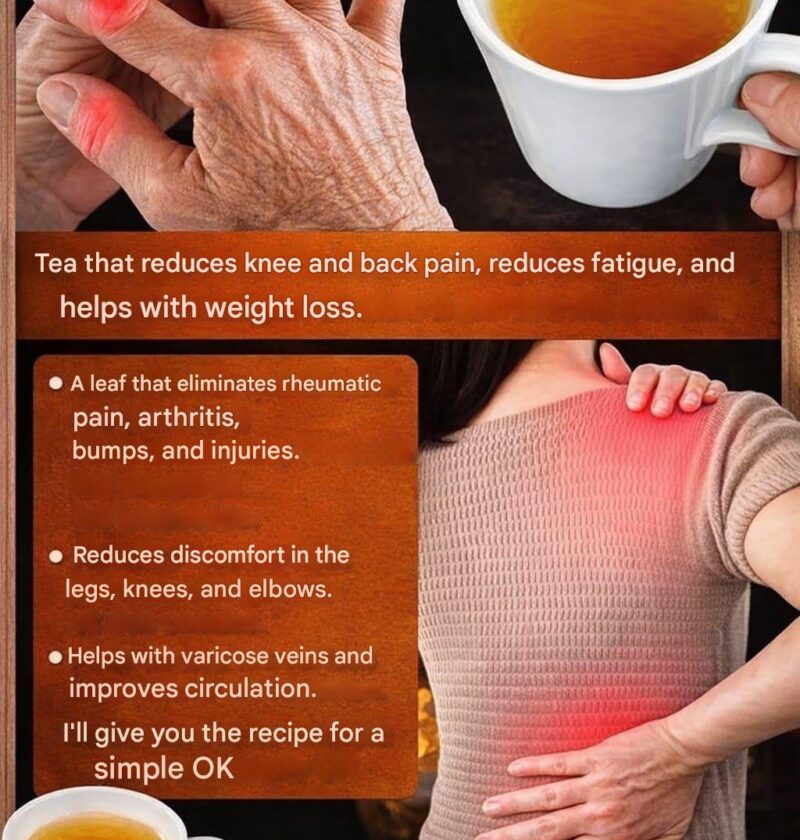
For generations, various medicinal plants have been used in traditional herbal practices to help soothe joint discomfort, muscle soreness, bruises, and minor injuries. One of the most well-known leaves in folk medicine for these purposes is the castor plant leaf. Traditionally, castor leaves have been applied externally as warm compresses or poultices to support comfort in areas affected by stiffness and pain.
Rheumatic pain, arthritis-related discomfort, muscle fatigue, bruising, and leg aches are common conditions that can affect daily activities and mobility. While modern medical treatments remain important, many people continue to explore natural remedies that have been passed down through generations.
Why Castor Leaves Are Popular in Traditional Remedies
Castor leaves contain naturally occurring plant compounds that have long been valued in traditional wellness practices. Herbal practitioners have historically used the leaves externally to help ease discomfort associated with:
- Rheumatic pain
- Joint stiffness
- Arthritis discomfort
- Minor bruises
- Muscle soreness
- Leg fatigue
- General body aches
The large leaves are often warmed and placed over affected areas as part of traditional home remedies.
Traditional Uses for Joint and Muscle Comfort
Many people use warmed castor leaves because the gentle heat may help relax surrounding muscles and provide a soothing sensation. This practice has been particularly popular among individuals experiencing age-related joint stiffness or occasional muscle discomfort after physical activity.
Potential Benefits Traditionally Attributed to Castor Leaves
- Supports temporary relief from minor aches
- May help soothe tired legs
- Traditionally used for bruises and minor injuries
- Often included in natural wellness routines
- Used externally in folk medicine practices
How Castor Leaf Compresses Are Traditionally Prepared
In traditional use, fresh leaves are cleaned thoroughly and gently warmed before being placed over the affected area. Some herbal traditions combine the leaves with a small amount of natural oil before application.
It is important to note that scientific evidence supporting these traditional uses is limited, and results may vary from person to person.
Safety Considerations
Although castor leaves are commonly used externally in traditional medicine, they should be used carefully.
Important precautions include:
- Avoid applying to broken skin.
- Discontinue use if irritation occurs.
- Consult a healthcare professional if pain persists.
- Pregnant individuals should seek medical advice before using herbal remedies.
- Never consume castor plant parts unless specifically prepared and recommended by qualified professionals.
Supporting Joint Health Naturally
In addition to traditional herbal approaches, maintaining healthy joints may involve:
- Regular physical activity
- Stretching exercises
- Balanced nutrition
- Adequate hydration
- Healthy body weight
- Medical evaluation for chronic symptoms
Combining healthy lifestyle habits with appropriate medical care can help support long-term mobility and comfort.
Final Thoughts
Castor leaves have a long history in traditional herbal practices for soothing rheumatic discomfort, arthritis-related stiffness, bruises, minor injuries, and tired legs. While many people value these natural remedies, they should complement—not replace—professional medical care. Persistent or severe pain should always be evaluated by a healthcare provider.