After Gallbladder Removal: 3 Conditions You Could Develop — What to Know Before Surgery
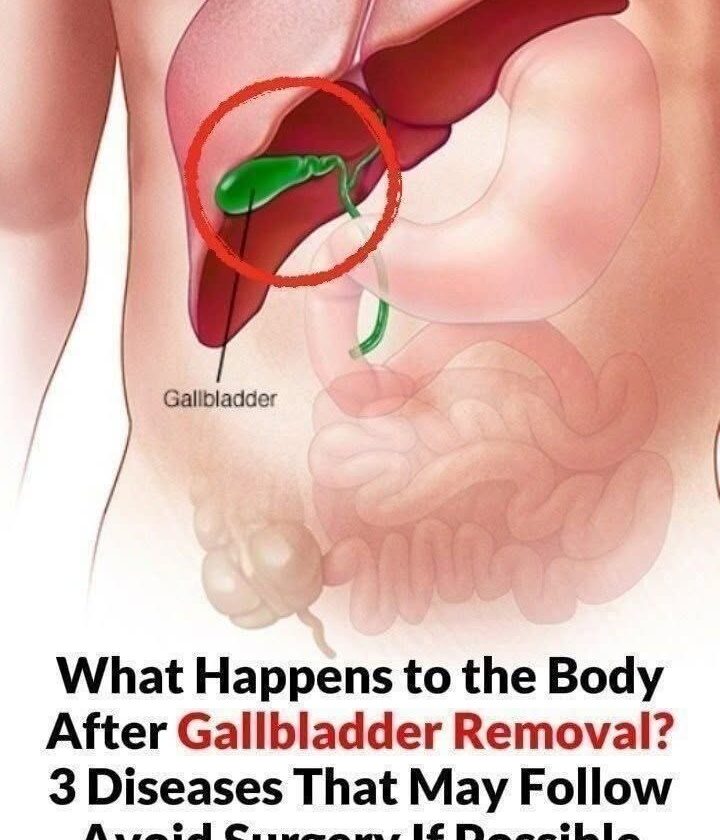
Gallbladder removal surgery (cholecystectomy) is one of the most common operations and is often recommended for problems such as repeated gallstones, gallbladder inflammation, or blocked bile ducts. For many people, it provides significant relief and improves quality of life. However, like any surgery, it can have potential effects and risks.
It is important not to avoid a medically necessary gallbladder removal, because untreated gallbladder disease can lead to serious complications. Instead, patients should discuss whether surgery is the right choice for their specific situation.
1. Digestive changes after gallbladder removal
The gallbladder stores bile and releases it when needed to help digest fats. After removal, bile flows continuously from the liver into the intestine.
Some people may experience:
- Diarrhea
- Gas or bloating
- Urgency to use the bathroom
- Discomfort after eating fatty foods
These symptoms often improve over time, and dietary adjustments can help.
2. Bile acid diarrhea
In some people, extra bile reaching the colon can irritate the bowel and cause ongoing diarrhea.
Possible management options include:
- Dietary changes
- Medications that bind bile acids (when appropriate)
- Evaluation by a healthcare professional if symptoms persist
3. Changes related to bile flow or digestion
A small number of people may experience ongoing digestive symptoms after surgery, such as:
- Indigestion
- Abdominal discomfort
- Nausea after certain meals
These symptoms may have other causes too, so persistent problems should be evaluated rather than automatically blamed on surgery.
Should you avoid gallbladder removal?
Gallbladder removal is not something to avoid if it is clearly needed. Surgery may be recommended when there is:
- Repeated painful gallstone attacks
- Gallbladder infection (cholecystitis)
- Inflammation or complications from gallstones
- A risk of serious blockage or other problems
However, if gallstones are found but are not causing symptoms, doctors may sometimes recommend monitoring rather than immediate surgery, depending on the individual situation.
Before deciding on surgery, ask your doctor:
- Are my symptoms definitely caused by my gallbladder?
- Are there non-surgical options in my case?
- What are my personal risks and benefits?
- What should I expect after surgery?
Bottom line: Gallbladder removal is a safe and effective treatment for many people, but the decision should be individualized. Understanding both the benefits and possible side effects helps you make an informed choice with your healthcare provider.