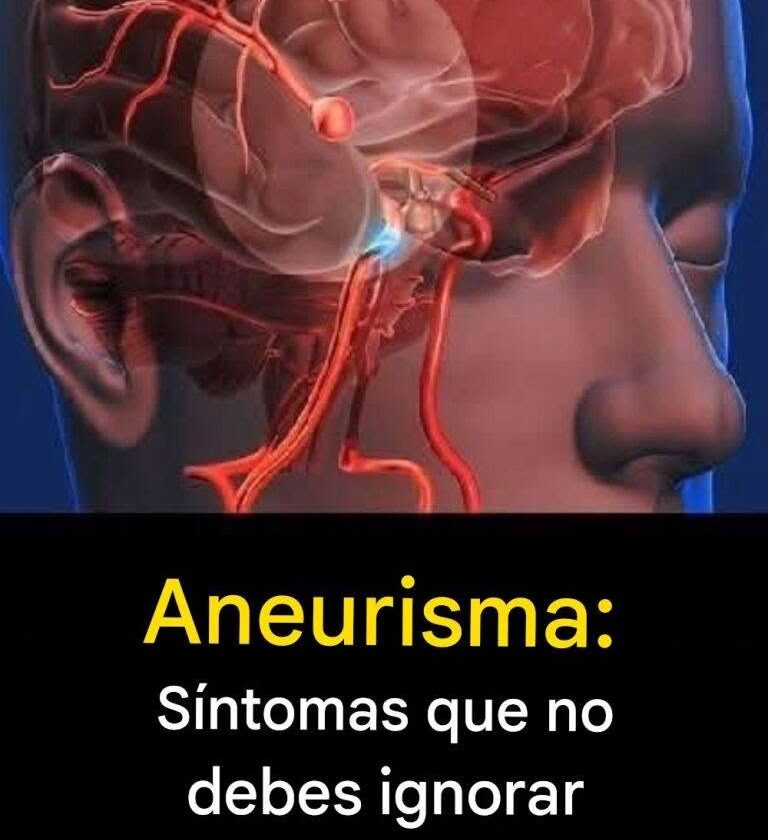
An aneurysm is a bulging or weakened area in a blood vessel that can rupture and cause life-threatening bleeding. Many aneurysms cause no symptoms until they become large or start leaking, which is why warning signs matter.
Here are signs you should never ignore, depending on the type and location:
🧠 1. Sudden, Severe “Worst Headache” (Brain Aneurysm)
This is often described as:
- A sudden, explosive headache (“thunderclap” headache)
- Worst headache of your life
- May occur with nausea, vomiting, or fainting
This can indicate a ruptured brain aneurysm, which is a medical emergency.
👁️ 2. Vision Problems
- Double vision
- Blurred vision
- Drooping eyelid
- Sudden loss of vision in one eye
These can happen if an aneurysm presses on nerves near the brain or eye.
🧍♂️ 3. Sudden Neck Pain or Stiffness
- Severe neck pain without injury
- Stiff neck along with headache
This may occur with bleeding around the brain.
❤️ 4. Pulsating Lump or Deep Pain (Aortic Aneurysm)
If the aneurysm is in the chest or abdomen:
- A strong pulsing sensation in the abdomen
- Deep, constant pain in the chest, back, or belly
- Pain that may radiate to the back or groin
⚠️ 5. Sudden Dizziness, Fainting, or Collapse
- Lightheadedness
- Loss of consciousness
- Sudden weakness or collapse
These can signal rupture and internal bleeding.
🚨 When to Seek Emergency Help
Call emergency services immediately if someone has:
- Sudden severe headache
- Fainting or collapse
- Severe chest/abdominal/back pain
- Neurological symptoms (confusion, weakness, vision loss)
A ruptured aneurysm can become fatal within minutes to hours.
Important Note
Most aneurysms are silent until they become dangerous, which is why risk factors matter too:
- High blood pressure
- Smoking
- Family history
- Age over 50
- Certain genetic conditions
If you want, I can also explain:
- Early warning signs before rupture
- How aneurysms are detected
- Or prevention steps to reduce risk