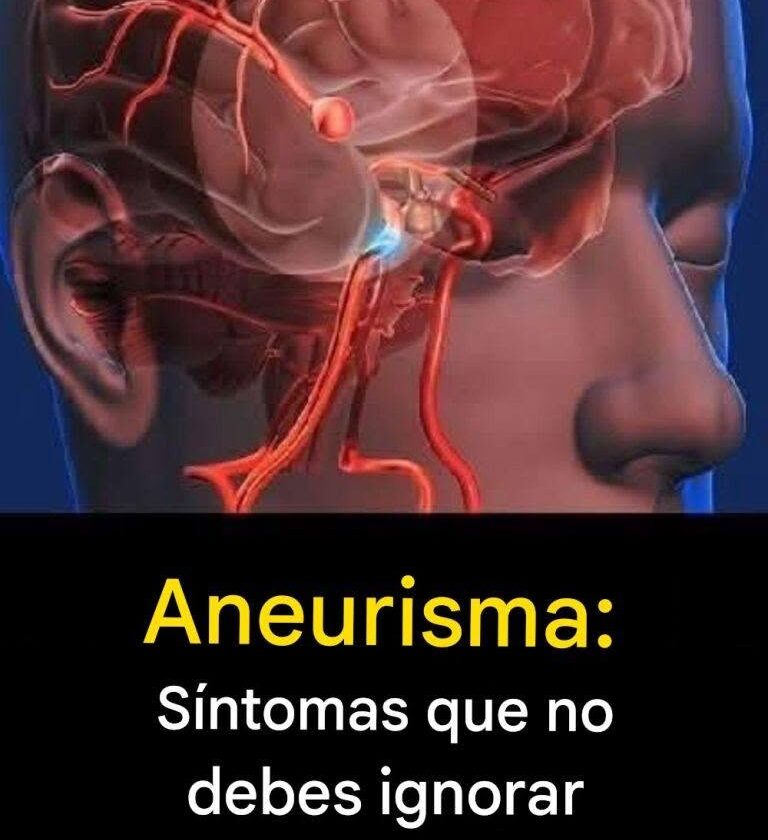
An Aneurysm can be dangerous because it often grows silently and may only cause symptoms when it becomes large or starts leaking/rupturing. Signs depend on where it occurs (brain, aorta, etc.), but some warning symptoms should never be ignored.
Possible warning signs
Brain aneurysm (or leakage/rupture risk)
- Sudden, severe headache often described as “the worst headache of your life”
- Blurred or double vision
- Drooping eyelid or one-sided facial weakness
- Nausea or vomiting with headache
- Sensitivity to light
- Loss of consciousness or confusion
A rupture can lead to a life-threatening Subarachnoid hemorrhage.
Aortic aneurysm (chest or abdomen)
- Deep, persistent pain in the chest, back, or abdomen
- A pulsating feeling in the abdomen
- Shortness of breath (if in the chest area)
- Sudden severe tearing pain (possible rupture)
General warning signs (any location)
- Sudden unexplained severe pain
- Rapid drop in blood pressure, dizziness, or fainting
- Cold, clammy skin (in rupture situations)
- Signs of internal bleeding or shock
Important reality check
Most aneurysms do not cause symptoms until they become large or rupture, which is why they are often discovered incidentally on scans.
When to seek urgent help
Seek emergency care immediately if there is:
- Sudden extreme headache
- Sudden severe chest/back/abdominal pain
- Fainting or collapse
- Neurological symptoms like weakness, speech trouble, or vision loss
If you want, tell me your age or the type of aneurysm you’re concerned about (brain vs heart/aorta), and I can explain risk factors and prevention more specifically.